Séfora Camazano · Art About Memory
Art About
Memory
Contemporary portraiture exploring personal, family and collective memory through images, testimony and human presence.
“Memory does not preserve the past unchanged. It reconstructs it each time we look back.”
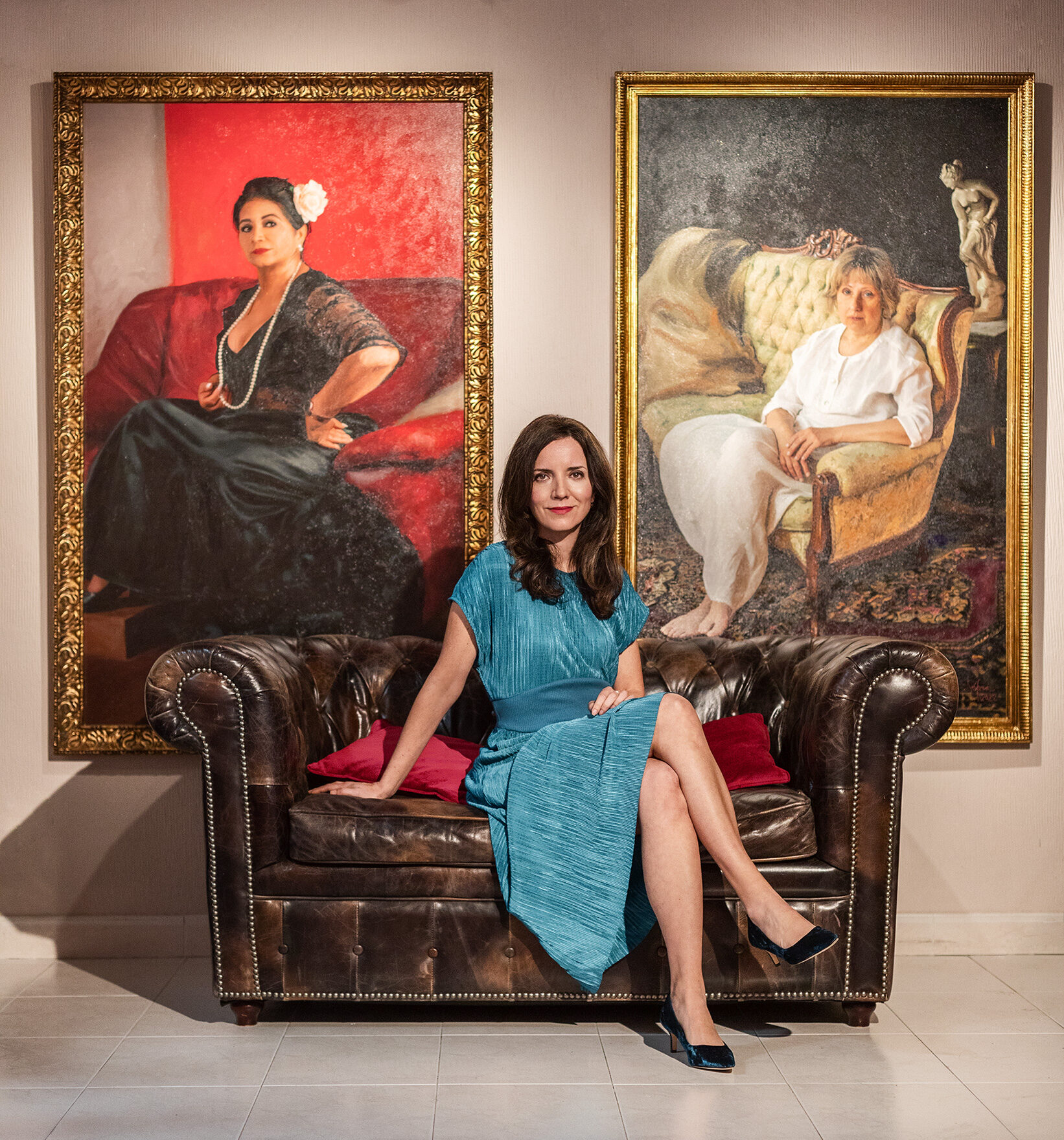
Memory in contemporary art
Art about memory as
a form of preservation
Séfora Camazano creates contemporary art about memory, identity and human experience. Her work examines how personal histories survive through portraits, family photographs, testimony and the images people choose to preserve.
Memory appears in her practice not as a fixed record, but as an active process. It is selected, interpreted, transformed and shared across generations.
Through photography, digital painting, Fine Art printing and mixed-media intervention, Camazano creates images in which past and present remain visible at the same time.
Personal and family memory
The images we keep
and the lives they preserve
Family photographs often contain more than the scene they record. They preserve relationships, absences, gestures, places and identities that may no longer exist in the same form.
Camazano works with these photographs as emotional and historical documents. Their imperfections, ageing, composition and private meanings become part of the artwork.
When placed beside a contemporary portrait, the archive reveals continuity and transformation. The person represented today is connected with the child, daughter, mother, migrant or family member contained in earlier images.
The result is not nostalgia. It is a visual encounter between different moments of the same life.
“A photograph does not return the past to us. It shows us what the present is still carrying.”
— Séfora CamazanoIndividual and collective memory
When private stories become
part of shared history
Individual memory can reveal histories that official narratives overlook. A family photograph, a personal testimony or a portrait may preserve experiences that would otherwise remain absent from museums, archives and public representation.
In Female Portraits: Migrants, photographs contributed by migrant women connect intimate family memory with wider histories of movement, cultural change and belonging.
In Female Portraits: A Look into the Past, historical paintings by Joaquín Sorolla are reinterpreted through the lives of contemporary women. The past is not reproduced literally; it is reactivated and transformed by present experience.
Camazano’s work therefore moves between private archive and collective memory, asking which lives are preserved and how art can expand the historical record.

Female Portraits: Migrants · Museum of History of Valencia, 2023
Artistic methodology
Transforming memory into
image, material and presence
01
Archive
Personal photographs, testimony and family documents reveal the memories and relationships that shape each story.
02
Reconstruction
Photography and digital painting connect different periods, visual references and emotional layers within a new composition.
03
Preservation
Fine Art printing, scale and material intervention give fragile memories a durable physical form.
Central themes
Memory understood through
images, testimony and time
Personal memory
Portraits and testimony preserve individual experience without reducing a life to a single event or interpretation.
Family archive
Private photographs connect generations, places and relationships while revealing how identity is inherited and transformed.
Collective memory
Individual stories contribute to wider histories of migration, women, cultural change and social experience.
Historical reinterpretation
Images from the past are revisited through contemporary lives, creating new meanings rather than repeating historical narratives.
Explore Séfora Camazano’s work
Discover contemporary art about
memory, identity and human experience.
Projects and artworks for collectors, galleries, museums and cultural institutions