Séfora Camazano · Figurative Artist
Figurative
Artist
Contemporary figurative art centred on the human figure, identity, migration, memory and emotional presence.
“The figure is never only a body inside an image. It is a life, a memory and a presence asking to be seen.”
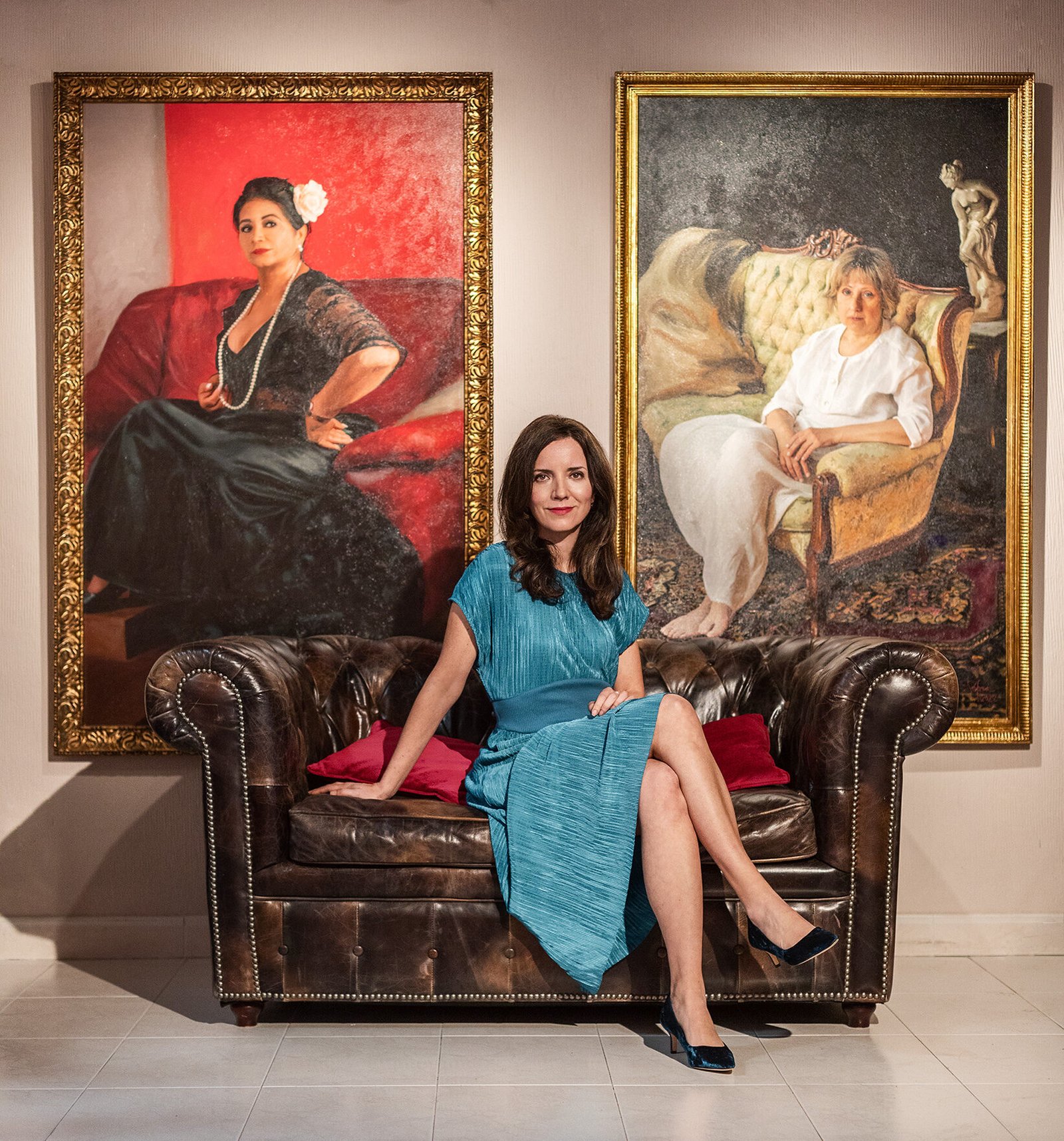
Contemporary figurative art
A figurative artist focused on
human presence
Séfora Camazano is a figurative artist based in Valencia, Spain. Her work centres on the human figure and uses portraiture as a means of exploring identity, migration, memory, resilience and dignity.
The represented person is never treated as an anonymous model. Each work begins with a specific life, a conversation and an individual story that influences the visual construction of the image.
Camazano’s figurative language combines realism, symbolic atmosphere and material intervention. The result remains recognisably connected to the subject while moving beyond literal representation.
The human figure in contemporary art
The body as narrative,
memory and testimony
Within Camazano’s practice, the human body carries more than physical information. Posture, gesture, clothing, gaze and distance all contribute to the emotional and social meaning of the work.
Her figures are often monumental and occupy the image with clarity. This scale challenges forms of invisibility and gives each subject a visual presence normally associated with historical or institutional portraiture.
Many of the women represented have lived through migration, violence, displacement or personal reconstruction. Their stories enter the work without reducing them to those experiences.
The figure becomes a space where vulnerability and strength, private memory and collective history can coexist.
“Figuration allows me to begin with what is visible and move towards what cannot be seen directly.”
— Séfora CamazanoPortraiture and visual construction
From observed reality
to symbolic image
Camazano’s figurative works begin with photography produced for each project. The session records the subject’s physical presence, but it also creates the first visual vocabulary of gesture, tension and atmosphere.
The photograph is then transformed through digital painting, compositional reconstruction and changes in colour, light and surface. This process allows the image to move from observation towards interpretation.
Fine Art printing and hand-applied acrylic interventions add a material layer to the work. Texture, glazing and final finishes reinforce the presence of the figure and distance the piece from a purely photographic result.
The final artwork exists between portrait, painting and visual archive.

Female Portraits: Migrants · Museum of History of Valencia, 2023
Figurative construction
Building the presence
of the human figure
01
Encounter
Conversation and observation reveal the personal history, gestures and emotional tensions that will shape the portrait.
02
Visual interpretation
Photography and digital painting construct a new image in which posture, light, colour and composition carry symbolic meaning.
03
Material presence
Fine Art printing, acrylic intervention and surface texture turn the figure into a physical presence within the exhibition space.
Elements of figurative language
The figure as a meeting point between
the personal and the collective
Face and gaze
The face creates recognition, while the gaze establishes an emotional and ethical relationship with the viewer.
Body and gesture
Posture and movement communicate tension, vulnerability, confidence and resistance beyond spoken language.
Scale and visibility
Monumental formats give the represented person a powerful physical and symbolic position within the image.
Story and symbol
Real biography is transformed into a visual language capable of connecting individual experience with wider social questions.
Explore Séfora Camazano’s figurative art
Discover contemporary works centred on
the human figure.
Original artworks and limited editions for collectors, galleries and cultural institutions