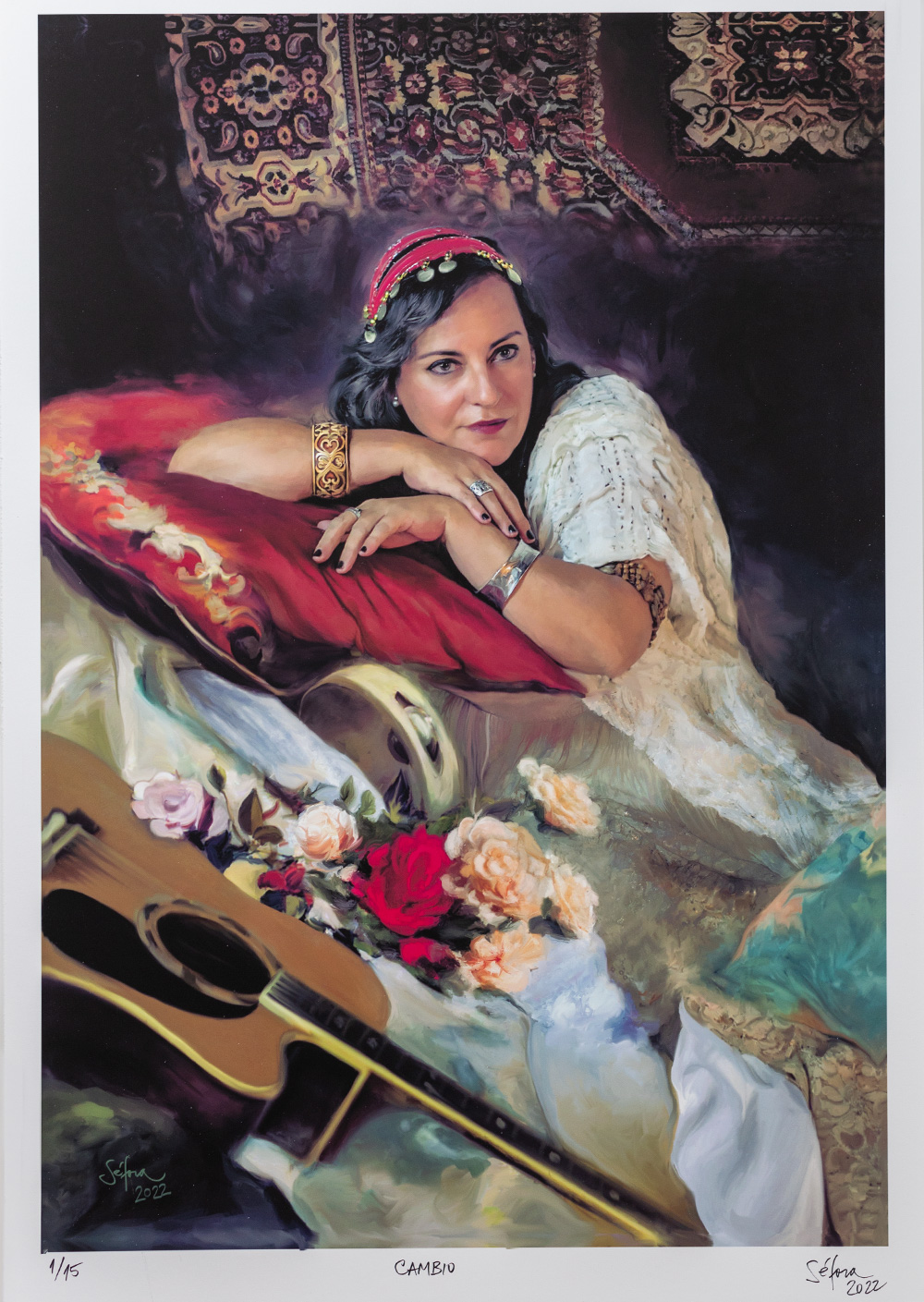
01 · The gaze
Seeing oneself from another place
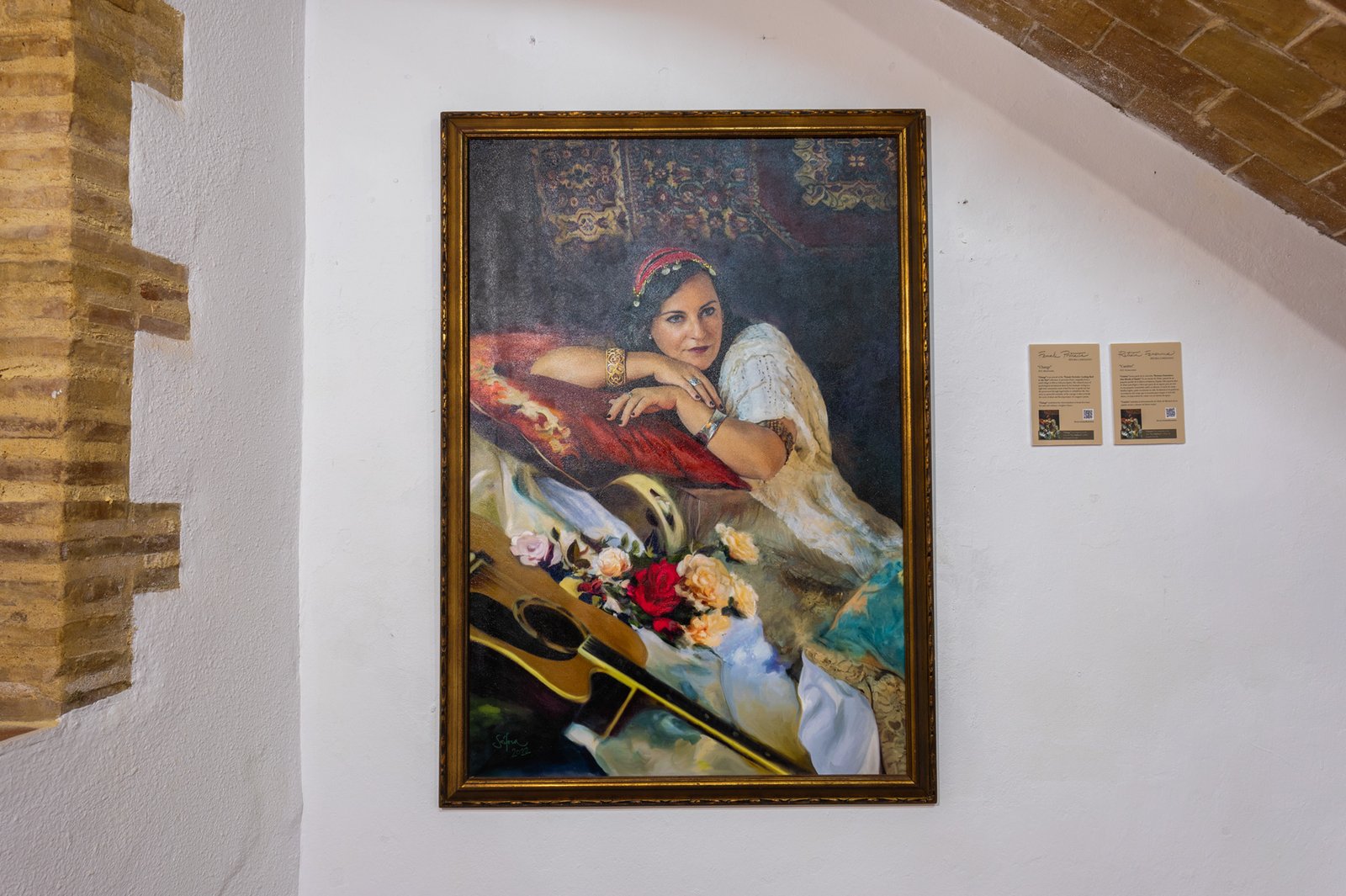
Slightly averted and restrained, Chelo's gaze seems to turn inward. It suggests a calm introspection, seen from the distance that allows someone to recognize herself after having changed.
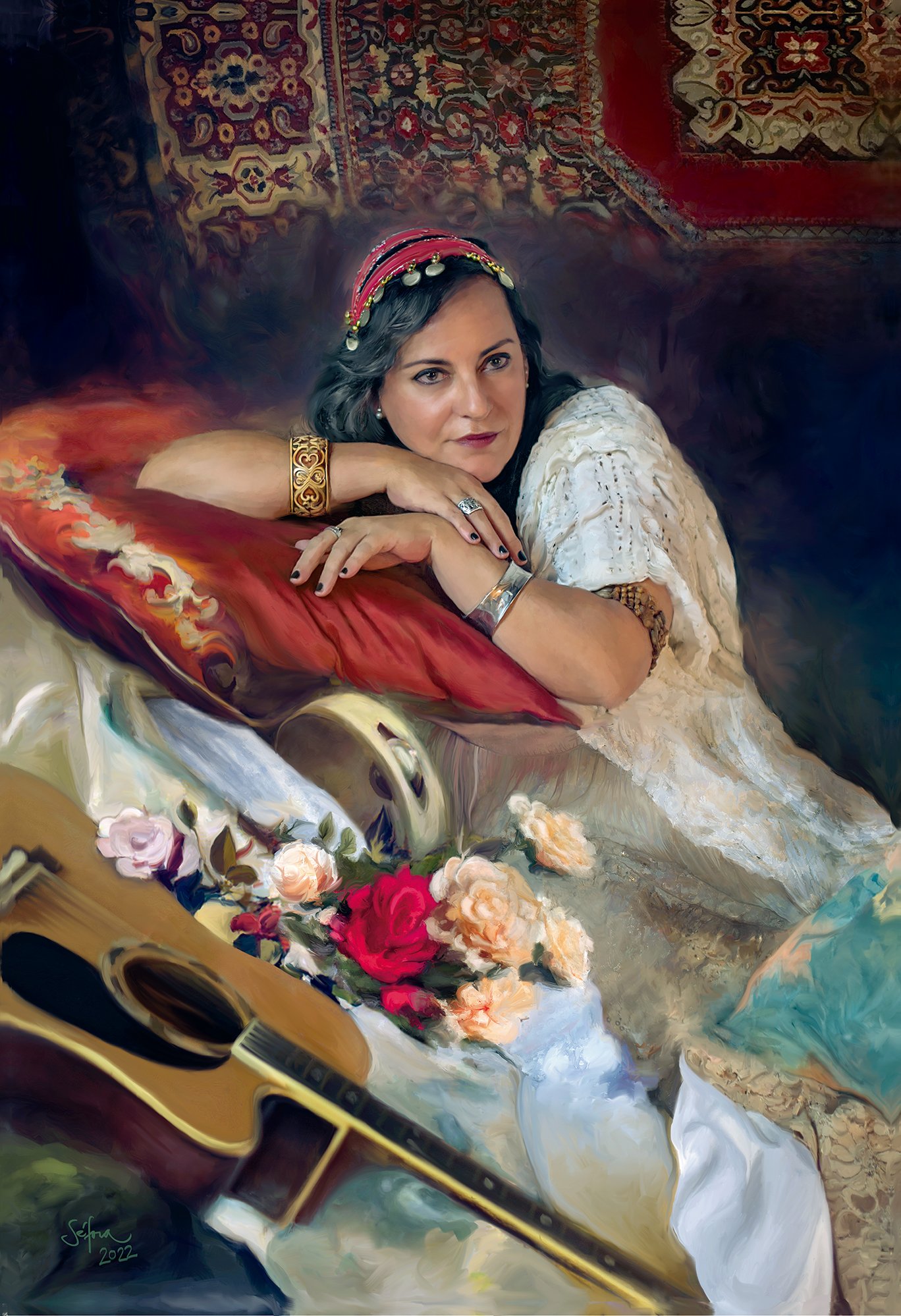
Female Portraits: Looking Back to the Past
2022
Change (2022) is a contemporary artwork by Séfora Camazano from the series Female Portraits: Looking Back to the Past. The work explores that moment when a person stops recognizing themselves solely through what they have been and begins to imagine who they might become.
Technique
Mixed media — photography, digital painting, and hand-painted intervention. Giclée Fine Art print on canvas with conservation finish.
Dimensions
130 × 89 cm
Year
2022
Series
Female Portraits: Looking Back to the Past
The protagonist
When Chelo arrived for the Change photo session, the fundamental transformation had already taken place. Years earlier, she had managed to leave a relationship marked by violence and begin a long process of personal and family rebuilding alongside her two daughters.
Her story did not end when she left that life behind. What followed were years of legal proceedings, threats, and a sustained struggle to protect her daughters and reclaim a space of her own. In her case, change was not a single moment, but a decision maintained over time.
“I chose to keep going. And it was worth it.”
Chelo
Over time, that experience also acquired a collective dimension. Chelo first came to Asociación Alanna as a victim and later went on to coordinate its violence support programme, accompanying other women through processes she herself had experienced from within.
For this reason, Change does not portray the moment of rupture, but a woman who has already moved through that transformation and turned a deeply personal experience into a new way of standing in relation to life.
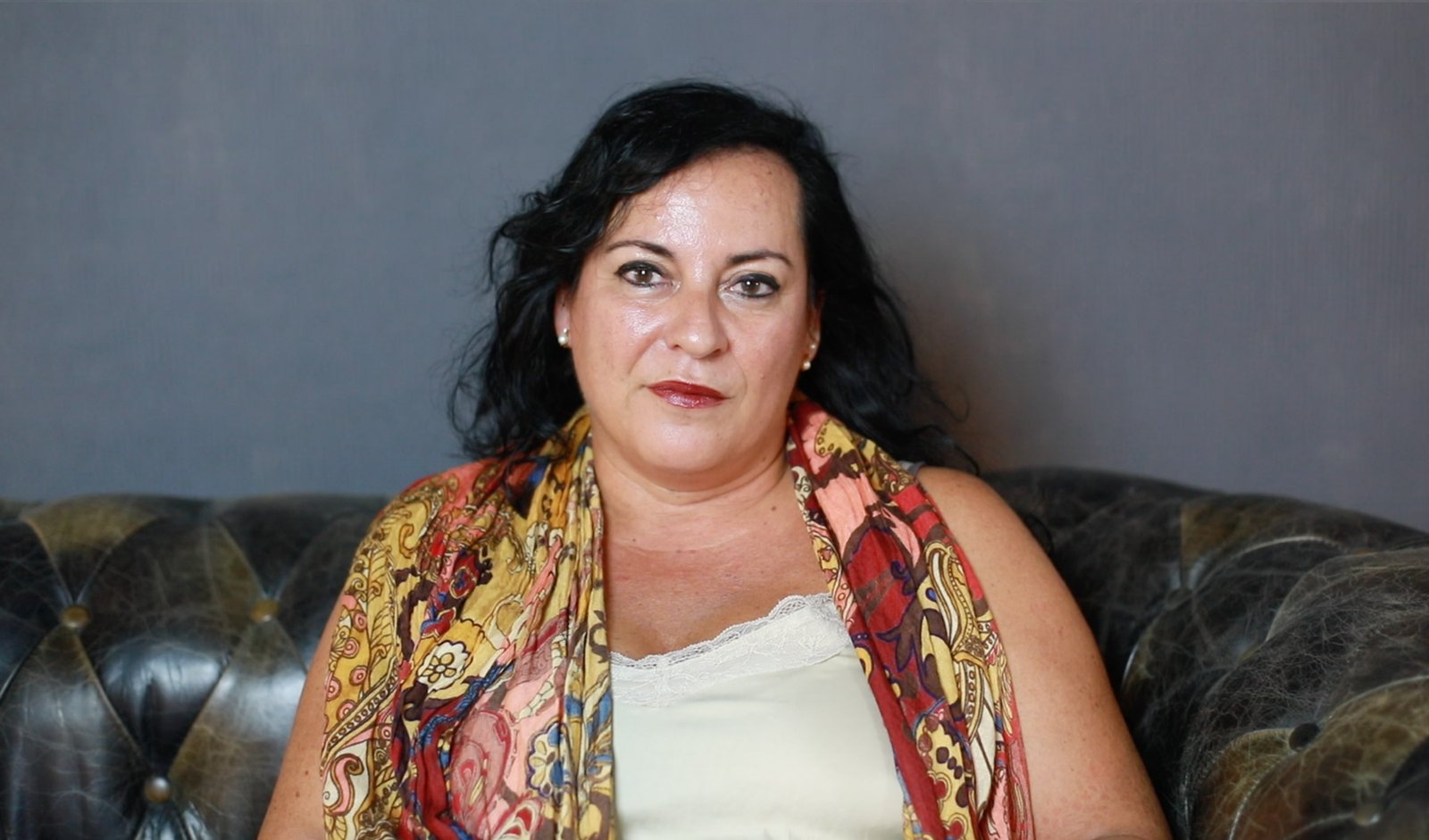
Chelo during the creation of Change · Valencia
The meaning of the title
Change does not refer to the moment when Chelo decided to leave a life marked by violence, but to everything that decision made possible afterwards.
In her story, change meant rebuilding a life, supporting her daughters, and gradually recovering the ability to decide her own future. It was neither a clean nor an immediate break, but a prolonged process whose consequences continued long after she had left that relationship.
Over the years, that transformation ceased to be purely personal. The woman who once needed support eventually began accompanying other women, drawing on the experience and knowledge she had gained through her own journey.
“True change does not end when we leave one life behind. It begins when we are able to build another.”
Keys to reading the work
01 · The gaze
Slightly averted and restrained, Chelo's gaze seems to turn inward. It suggests a calm introspection, seen from the distance that allows someone to recognize herself after having changed.
02 · The flowers
The flowers introduce life and renewal into the composition. They evoke what can grow again after a difficult period.
03 · The instruments
The musical instruments evoke expression and one's own voice: the possibility of speaking again, choosing, and being heard.
04 · The adornments
Bracelets, rings, and adornments reinforce Chelo's individual presence. She is not defined by what she endured, but by the woman she is.
05 · The rugs
The rugs create an enveloping, solid background. They suggest belonging and the achievement of a place of one's own from which to rebuild life.
06 · The fabrics
Lace, velvet, and fabrics overlap in different textures and colours. Like identity, they accumulate layers: what has been lived remains, but no longer determines the whole.
Curatorial reading
Change does not portray the instant of change, but what remains once that transformation has become part of who we are. Chelo appears from within a reconstructed identity, aware of her journey but not defined exclusively by it.
The abundance of fabrics, flowers, objects, colours, and textures creates a complex visual universe around her. Yet none of them overwhelms the figure. Amid this richness, Chelo retains a calm presence that holds the entire composition together.
This relationship between figure and surroundings allows the work to be read as a reflection on identity after a transformative experience: the past remains as one of its layers, but no longer occupies the centre.
In Change, transformation does not mean becoming another person. It means being able to recognize oneself again and decide from what place to continue.
Artistic reference
Change takes Joaquín Sorolla's La Odalisca as its point of departure. Séfora Camazano preserves the memory of that composition while shifting its meaning by placing within it a contemporary woman with a story and identity of her own.
The female figure originally conceived within the odalisque tradition — historically associated with woman as an object of contemplation — gives way here to Chelo. Her presence introduces a different relationship with the gaze: what matters is no longer only how she is observed, but who the woman occupying that place is.
This shift is especially significant in Change. The inherited composition remains recognizable, but Chelo's biography alters its reading. The dialogue with Sorolla thus becomes an encounter between two periods and, above all, between two ways of representing women.
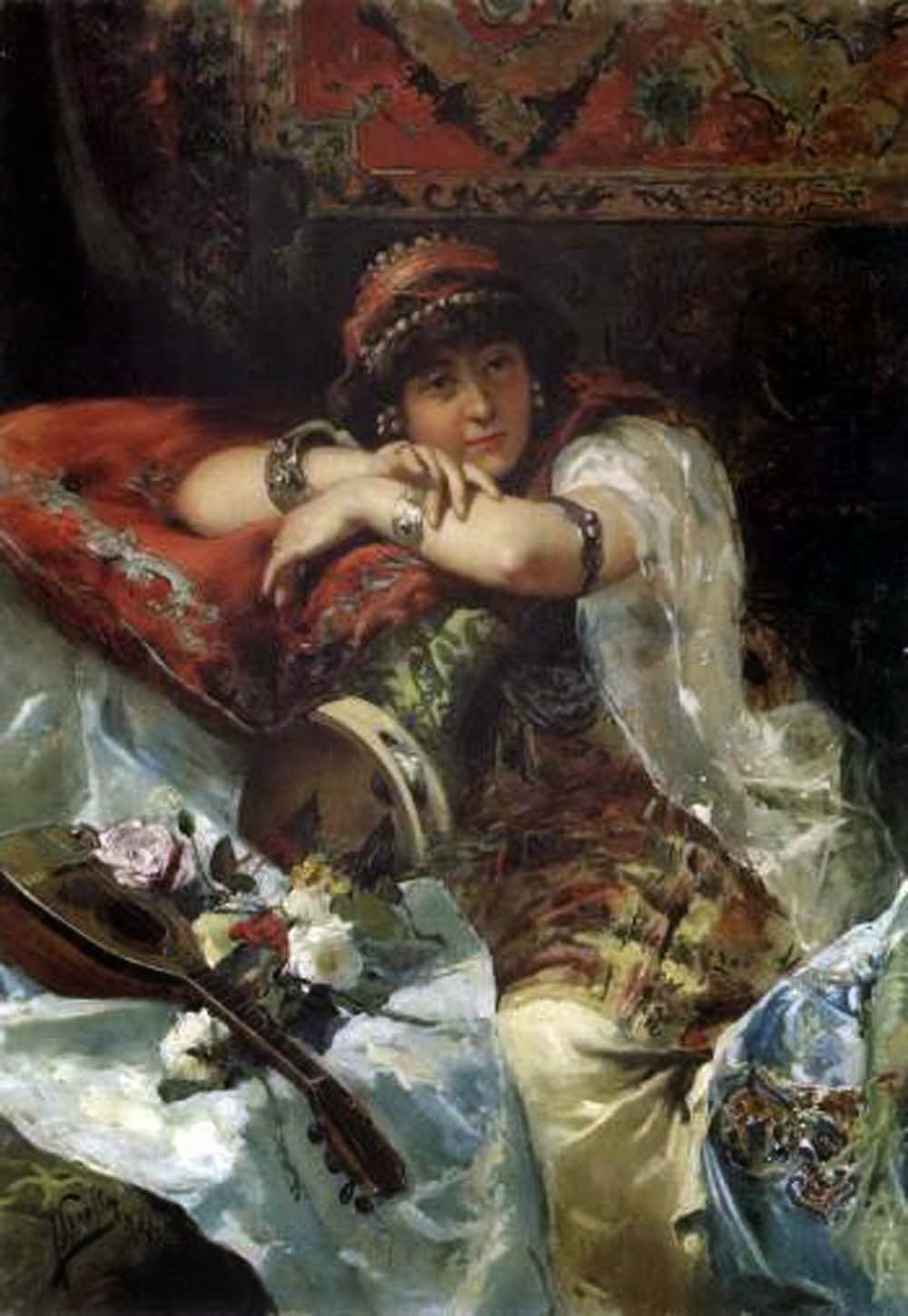
La Odalisca
Joaquín Sorolla
Creative process
Change grew out of the encounter with Chelo and the search for a composition capable of representing transformation without turning it into an obvious or literal gesture.
Photography provides the starting point. From there, composition, colour, and pictorial intervention progressively transform the image, moving it from photographic portraiture toward a more symbolic territory.
The result preserves the identity of the woman photographed while allowing the portrait to speak about something that transcends a specific biography: our capacity to transform the relationship we have with our own history.
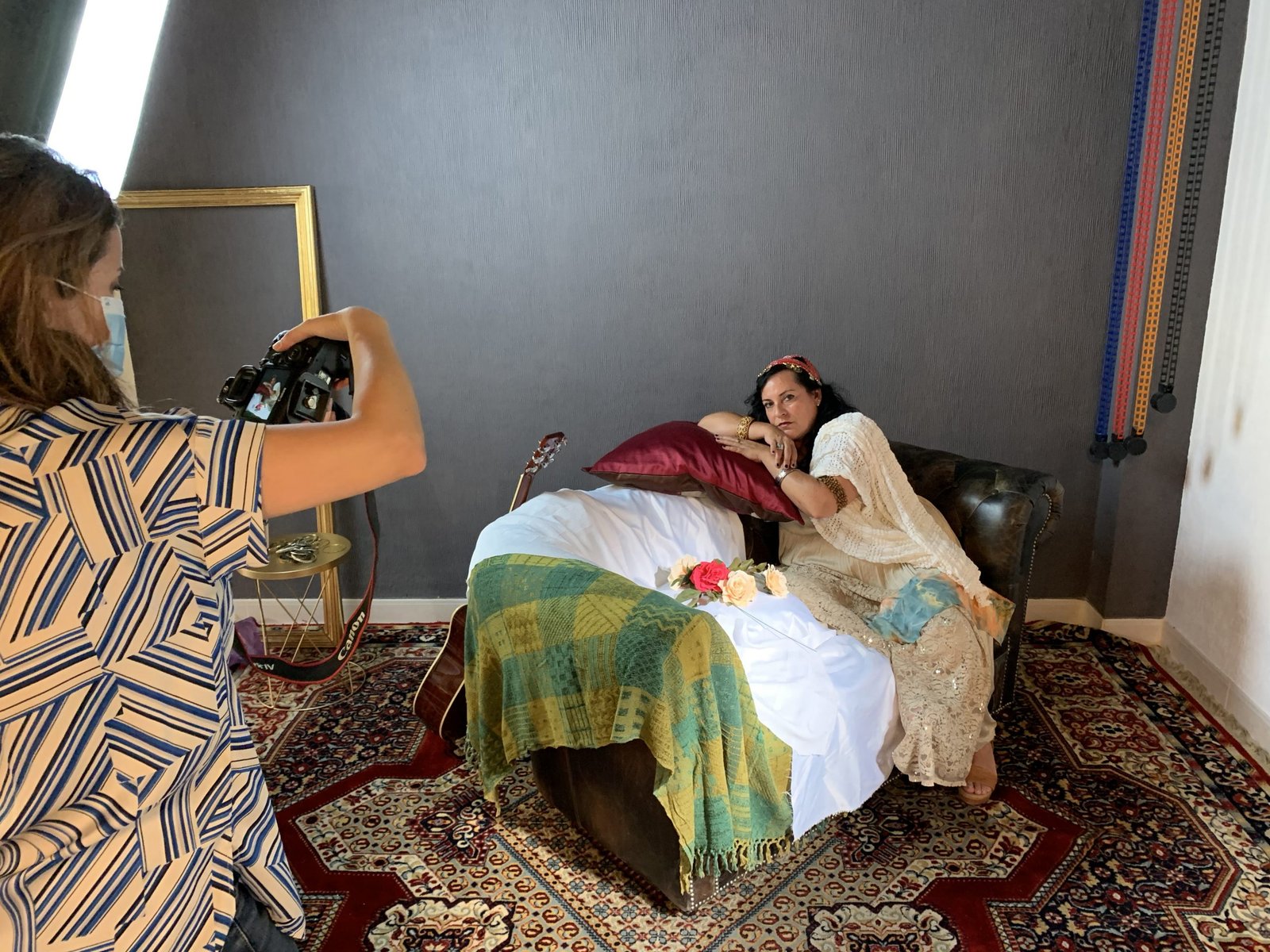
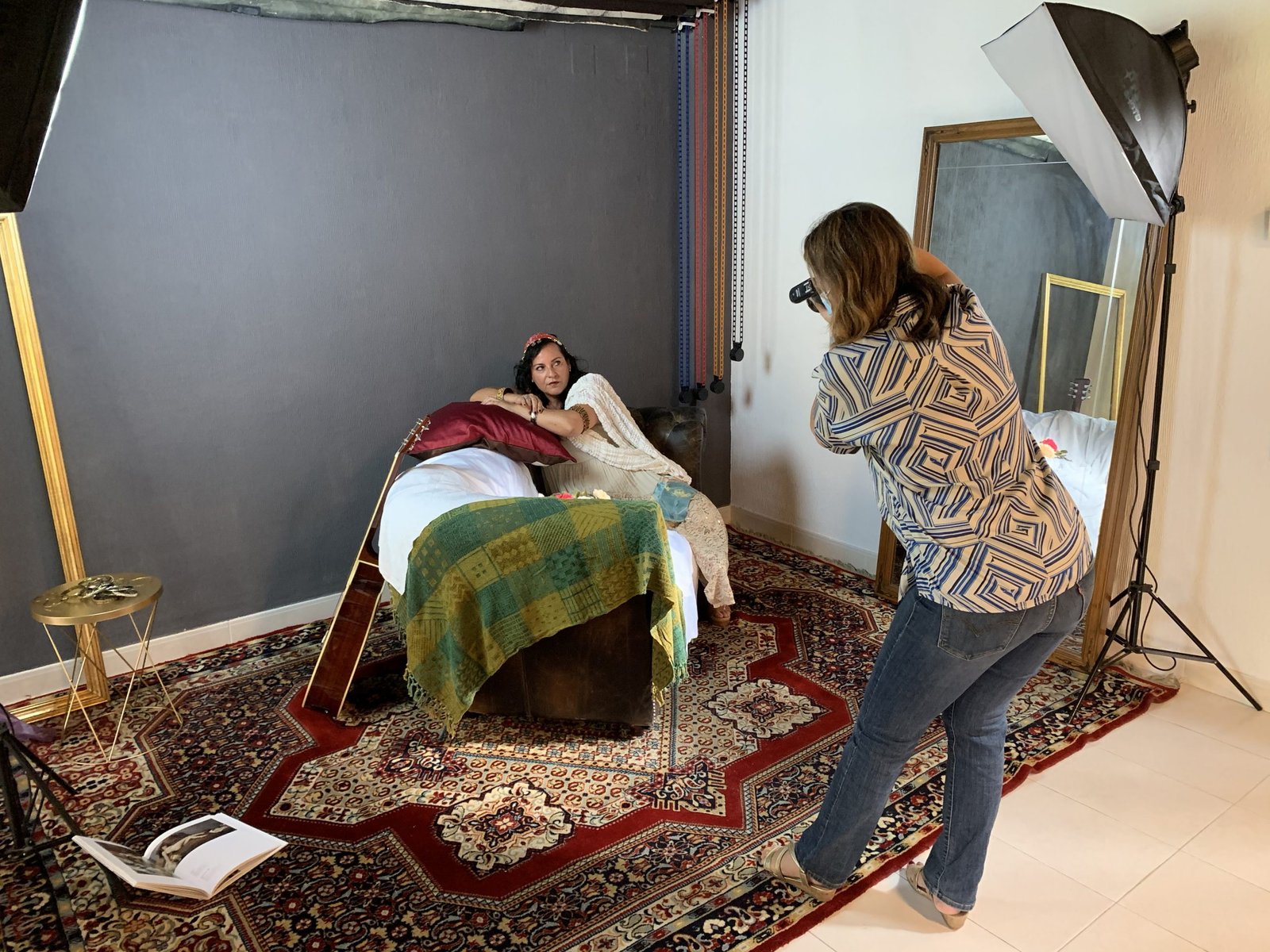
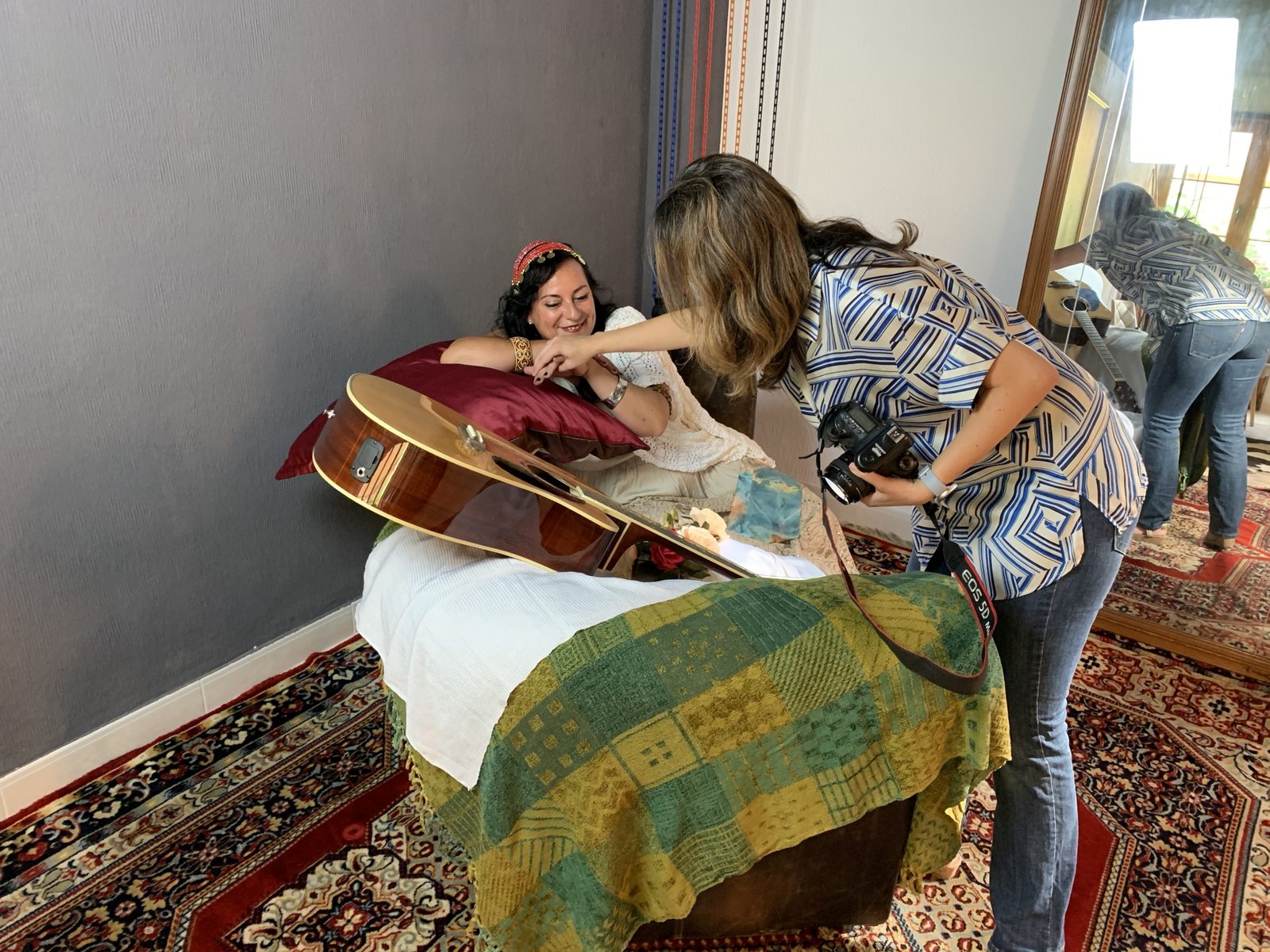
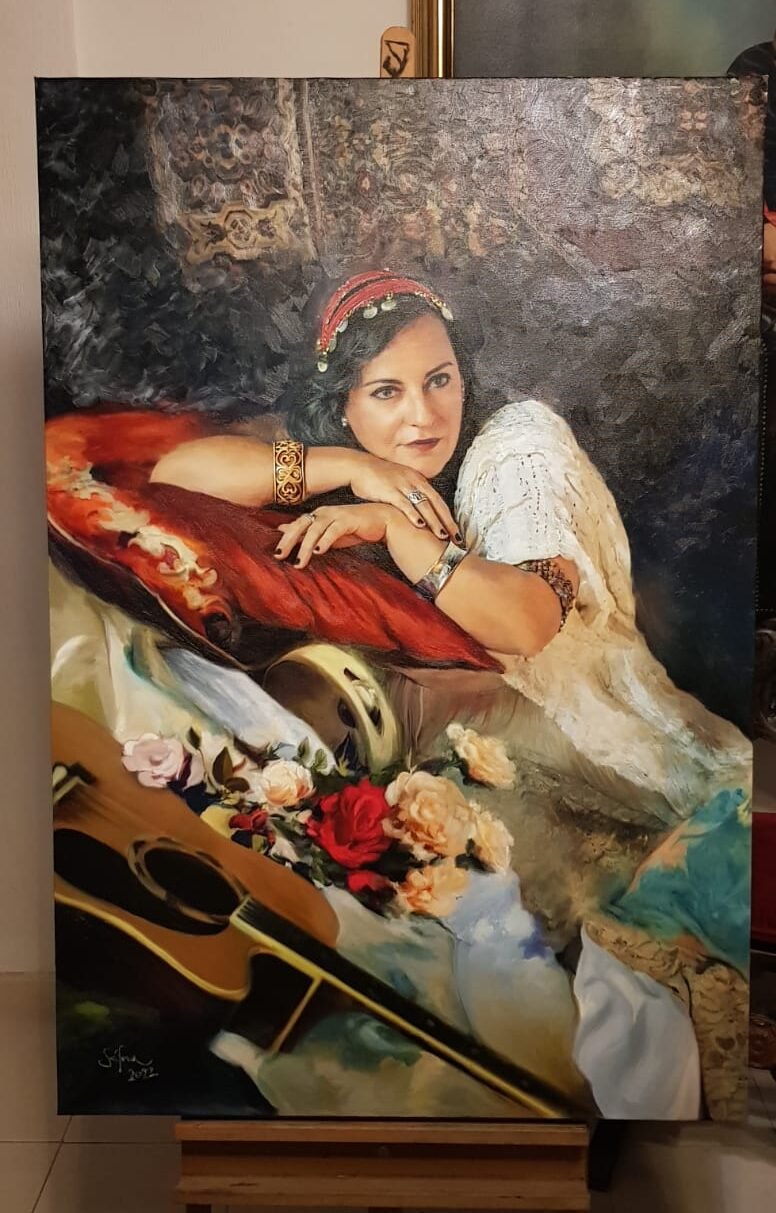
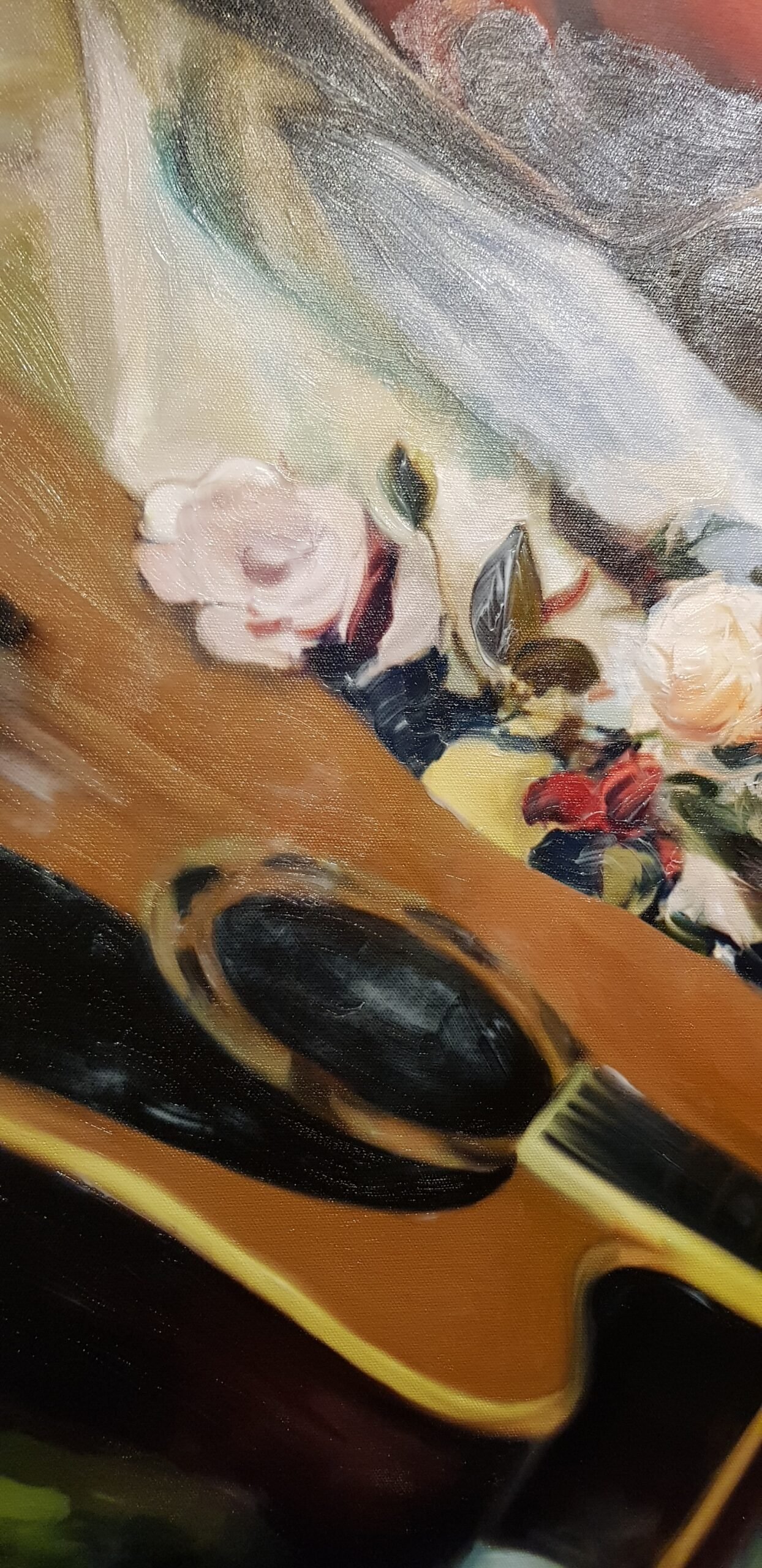
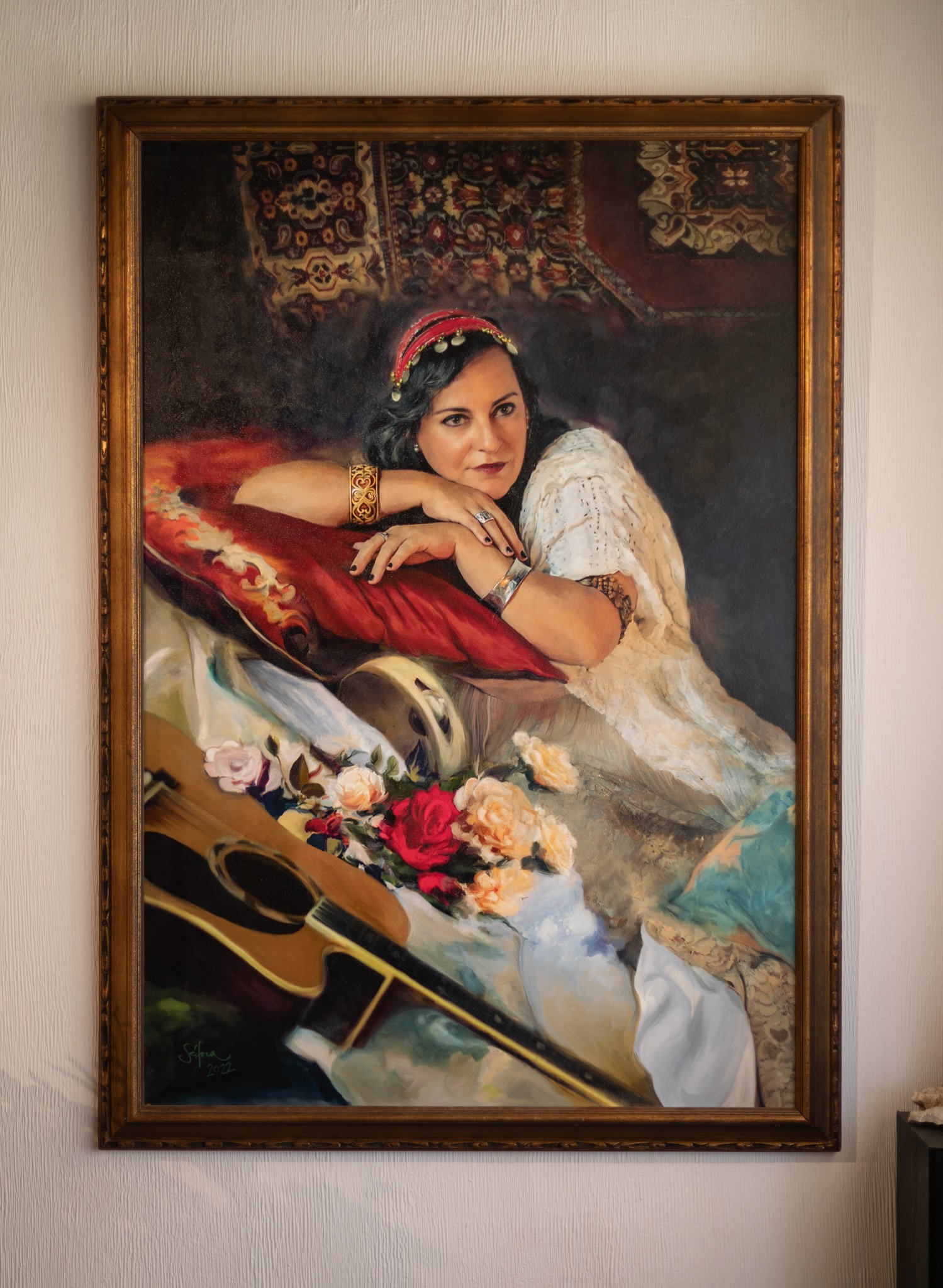
Change in the artist's studio · Valencia
Exhibition history
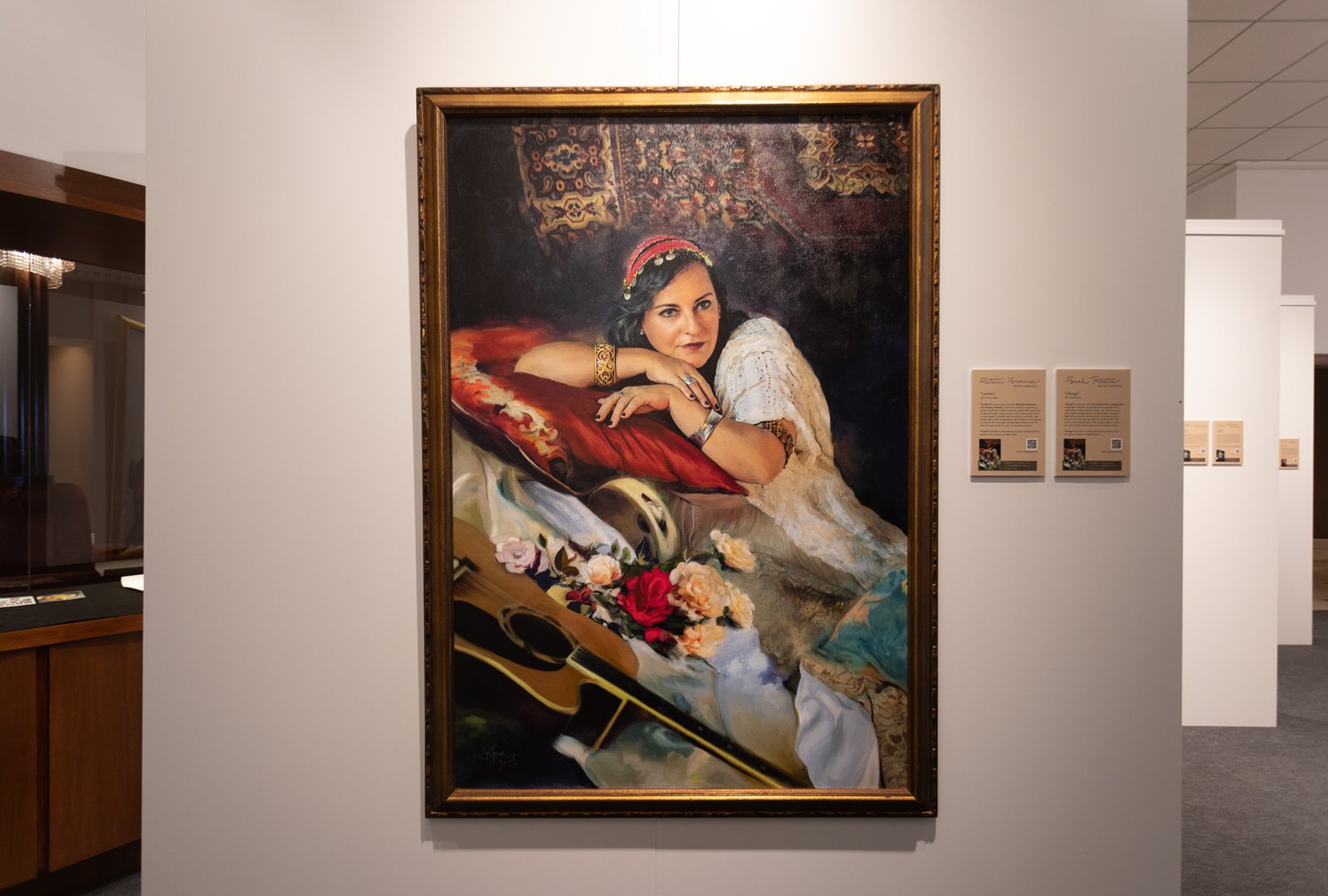
The Westin Valencia
Valencia, Spain · 2023
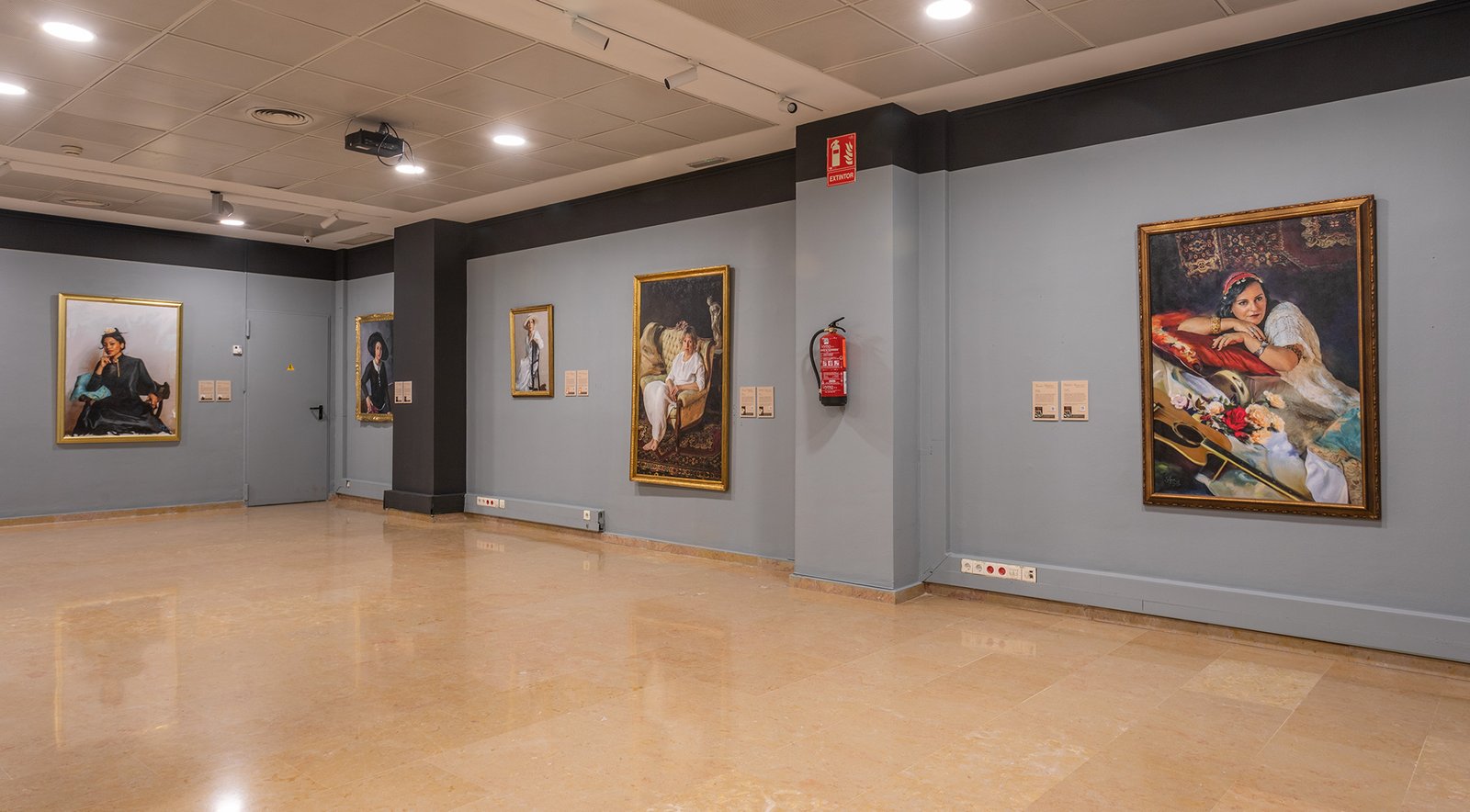
Botanical Garden of the University of Valencia
Valencia, Spain · 2024
Former Bétera Town Hall
Bétera, Spain · 2024
Galerie Portraits
Interested in this artwork?
I personally respond within 48 hours
Enquire about the original artworkThe original artwork includes