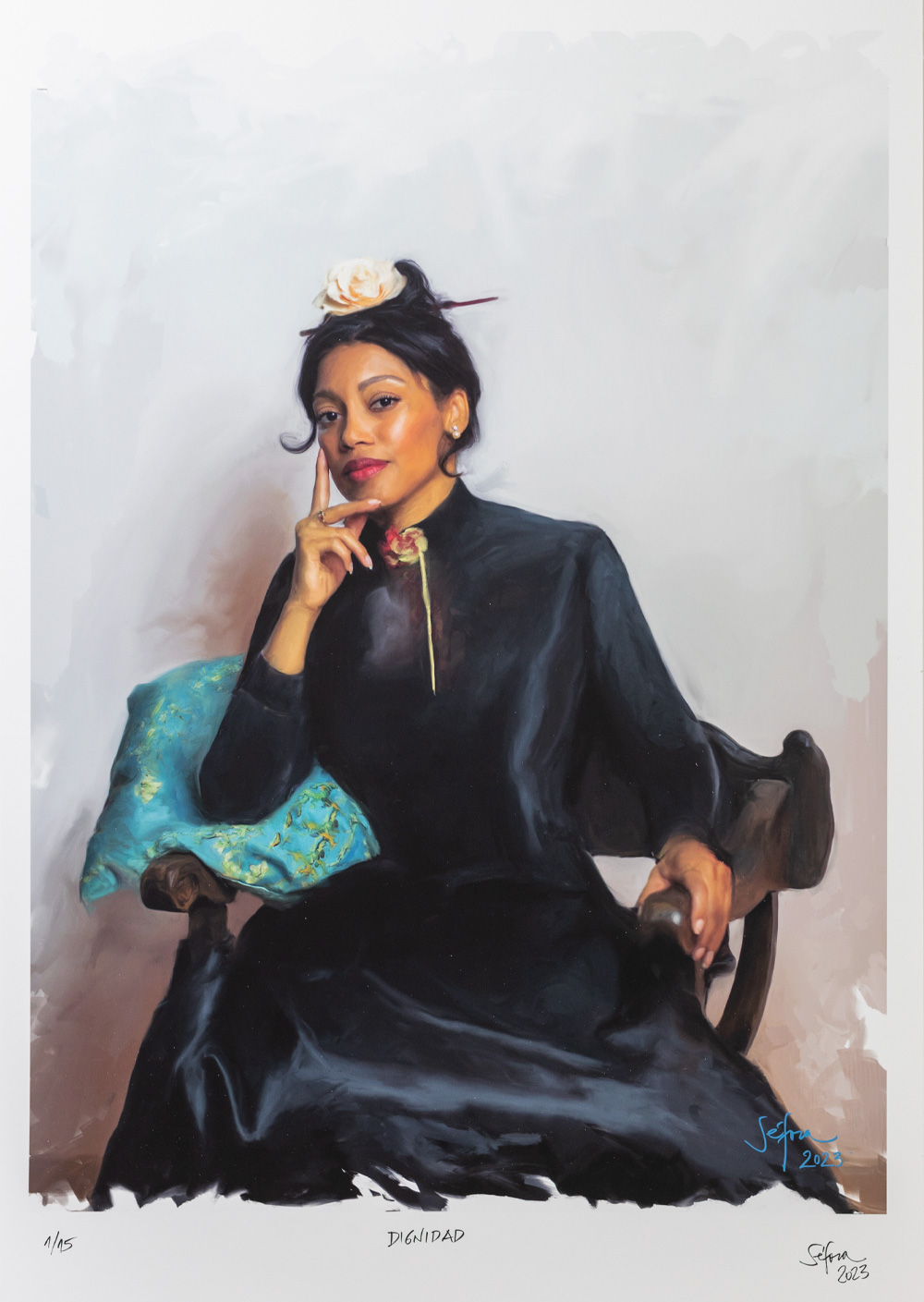
01 · The gaze
After the fear
Yosmara looks out with a calm that contrasts with her story. She has left a place where speaking freely had consequences. Fear no longer dominates her face; newly found freedom does.
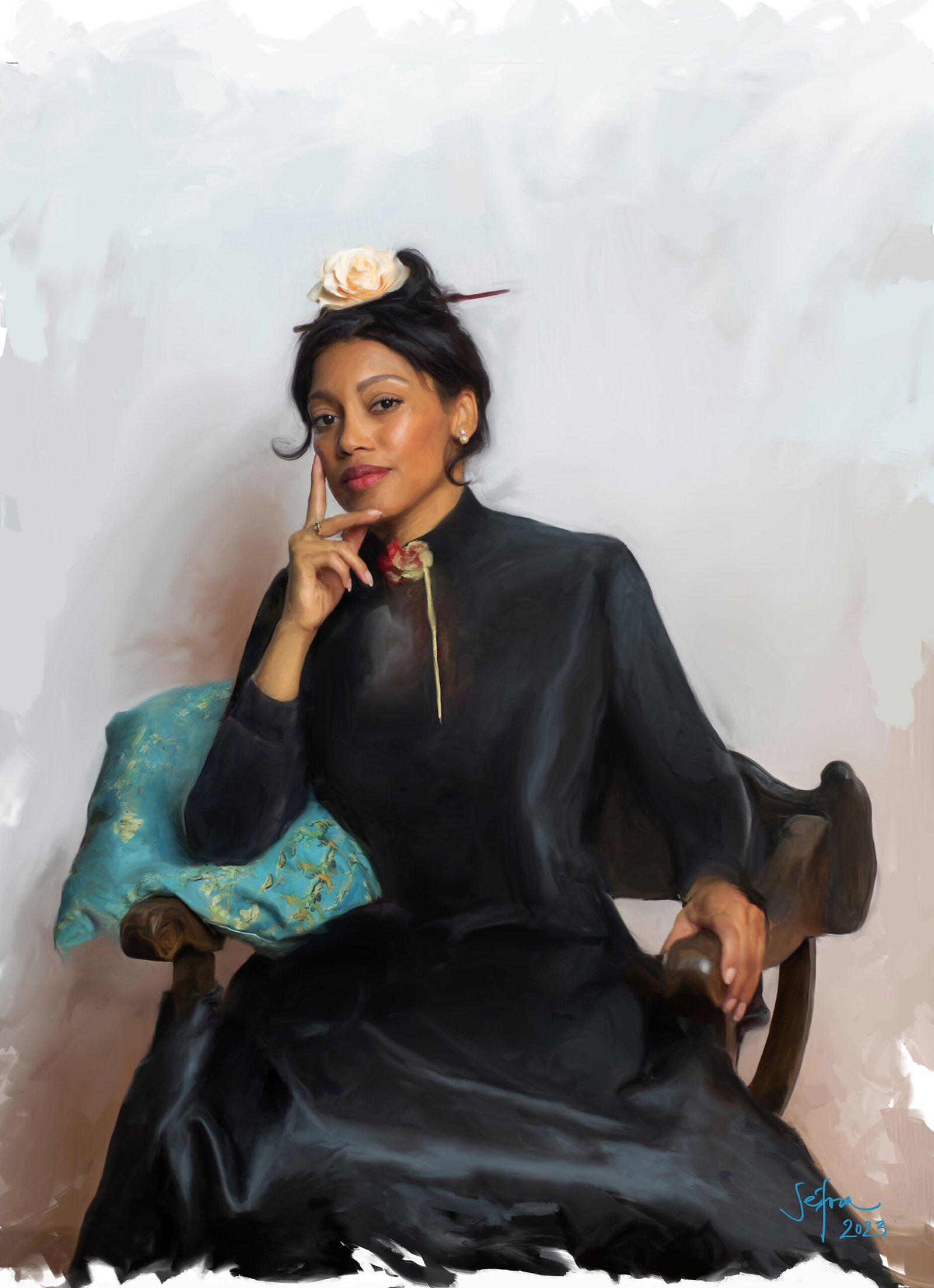
Female Portraits: Looking Back to the Past
2023
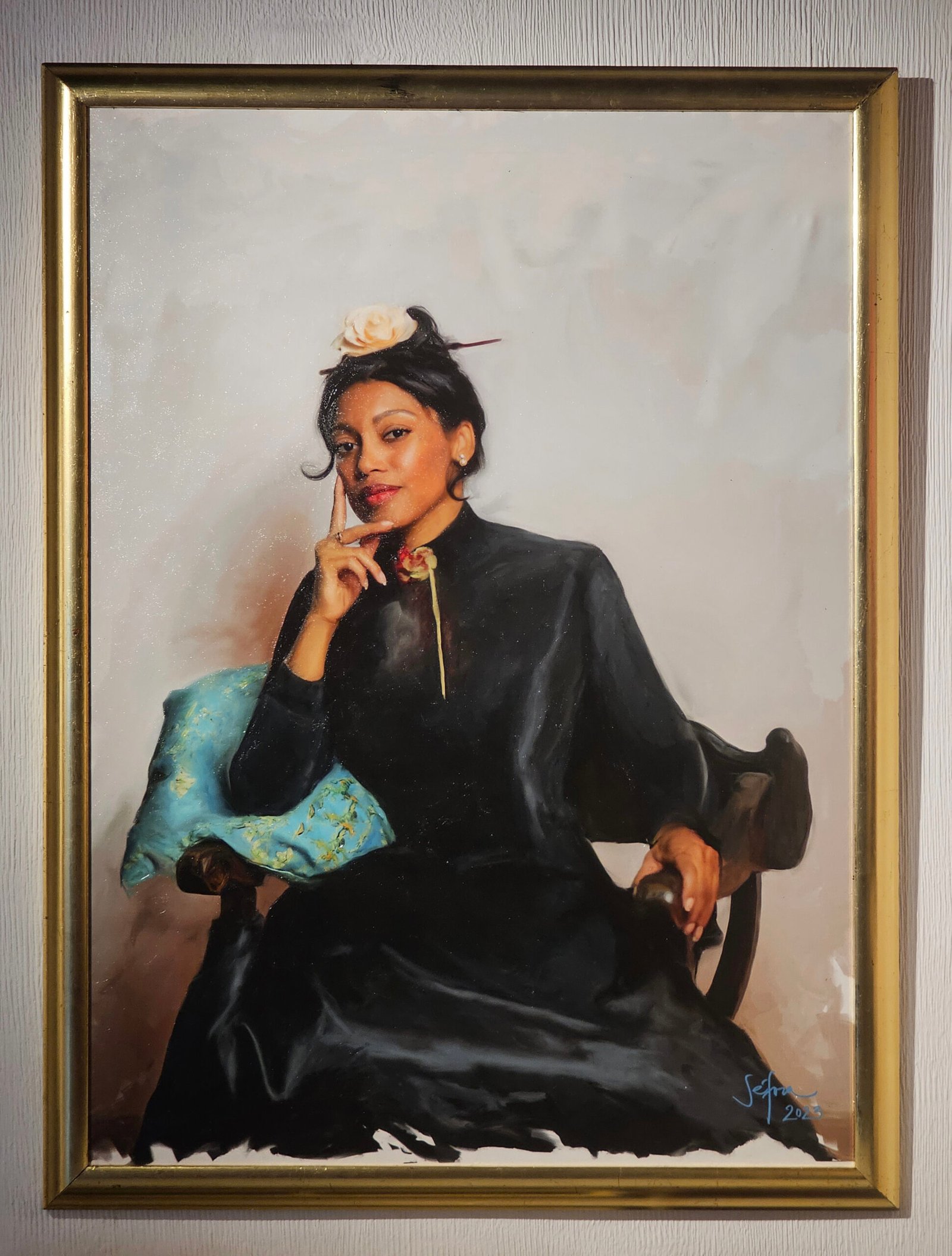
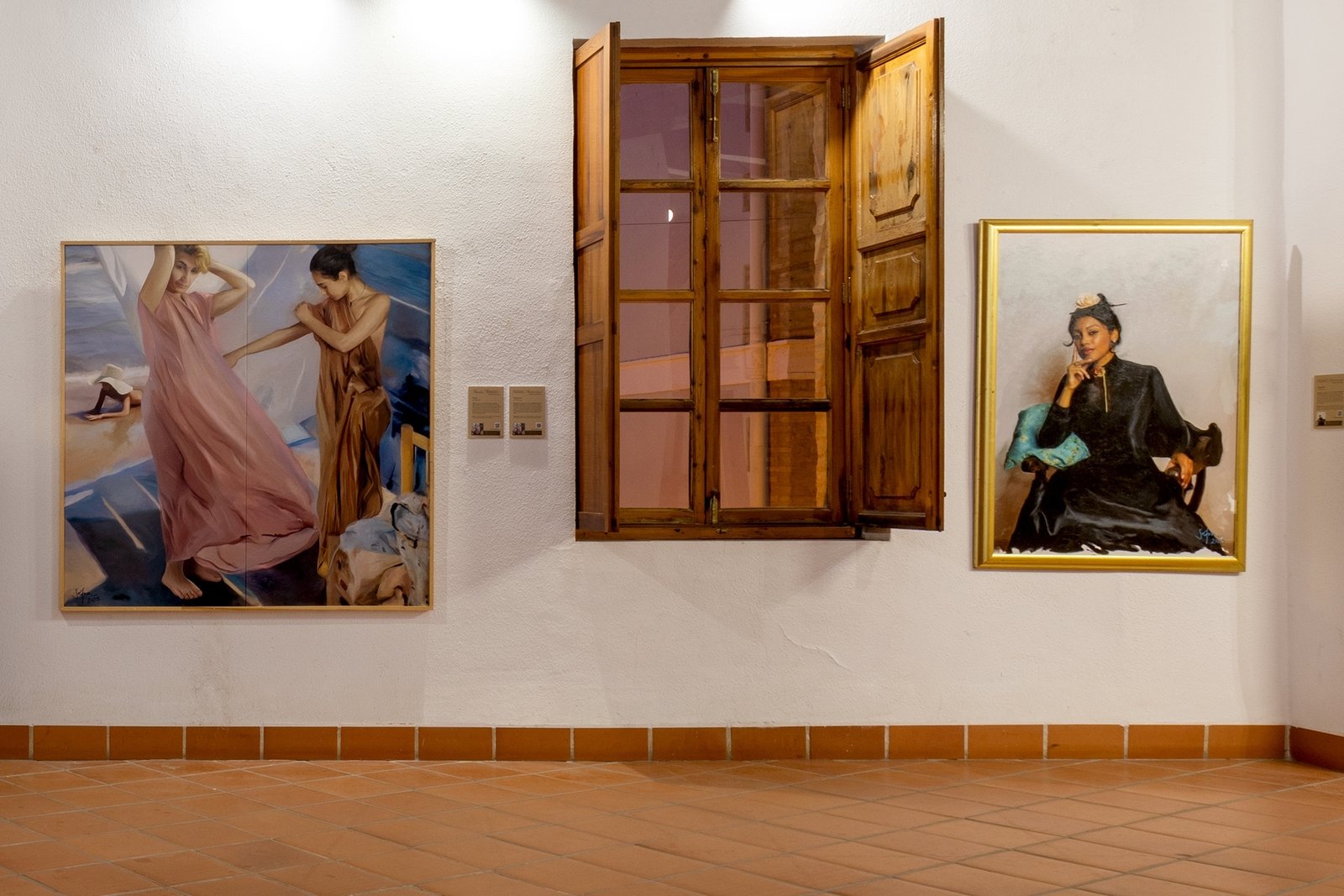
Dignity (2023) is a contemporary artwork by Séfora Camazano from the series Female Portraits: Looking Back to the Past. The portrait explores dignity as that which remains when a person is forced to leave part of their life behind in order to build another.
Technique
Mixed media — photography, digital painting and hand intervention. Fine Art Giclée print on canvas with a conservation finish.
Dimensions
128.5 × 87 cm
Year
2023
Series
Female Portraits: Looking Back to the Past
The protagonist
Dignity portrays Yosmara, a Cuban-born woman who grew up in an environment where expressing certain ideas could have consequences. Over time, questioning what was happening around her and voicing different opinions exposed her to pressure, threats and persecution.
Eventually, she made the decision to leave Cuba and begin a new life in Spain. But leaving came at a particularly painful cost: her youngest daughter remained on the island with her grandparents.
“Some decisions open a door to freedom while, at the same time, forcing us to leave part of our lives on the other side.”
Yosmara
Arriving in Spain meant regaining the freedom to express herself, but it also meant learning to live with distance, absence and uncertainty. Her newfound freedom coexisted with everything that remained unresolved.
This is why Yosmara is not portrayed at the moment of departure, nor through the conflict that shaped her story. She is seated, serene, looking directly at the viewer. Her presence occupies the centre of the image.
Dignity does not seek to define her by what she had to leave behind, but by what she managed to preserve: her identity, her voice and the right to decide the course of her own life.
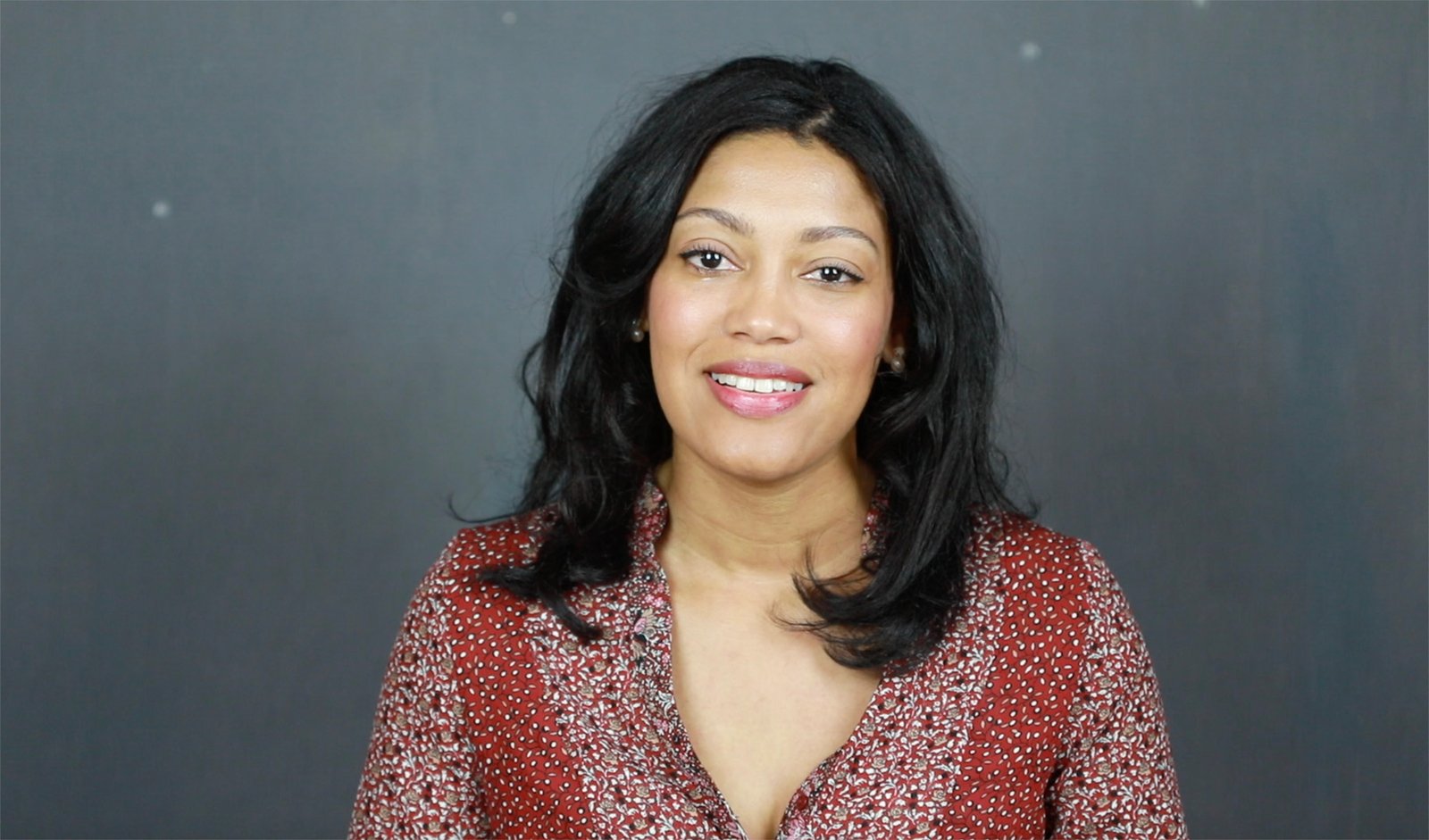
Yosmara during the creation of Dignity · Valencia, 2023
The meaning of the title
Dignity does not depend on the place we occupy, what we possess or the circumstances that surround us. It belongs to something more essential: the awareness of our own worth and the right to live in accordance with it.
In Yosmara’s story, leaving her country meant abandoning a familiar life in order to reclaim something she considered non-negotiable: the freedom to think, express herself and make her own decisions about her future.
The work places dignity precisely within this territory. Not as a reward found at the end of the journey, but as something a person strives to preserve even when circumstances force them to begin again.
“Dignity begins when we recognise that there is something within ourselves we are not willing to surrender.”
Keys to the work
01 · The gaze
Yosmara looks out with a calm that contrasts with her story. She has left a place where speaking freely had consequences. Fear no longer dominates her face; newly found freedom does.
02 · The black dress
The dress covers and constrains her body from neck to arms. The oppression is behind her, yet the memory of what she lived through still accompanies the person who managed to escape it.
03 · The almond blossoms
The blue cushion evokes Van Gogh’s blossoming almond trees. Among the first trees to flower after winter, they become a precise metaphor for a life beginning to bloom again.
04 · The flowers
The flowers emerge from the darkness as something oppression could not extinguish. They speak of an inner beauty that remained alive even when it could not be fully revealed.
05 · The ring
The ring belongs to Yosmara. This small detail anchors the artwork in reality: this is not a fictional character, but a real woman whose story exists beyond the canvas.
06 · The unfinished
The work is deliberately left unfinished at the top and bottom. When Yosmara posed, her daughter was still in Cuba. The painting remains incomplete because an essential part of her life was incomplete too.
Curatorial reading
Dignity does not portray Yosmara at the moment she leaves her country, nor does it place conflict at the centre of the image. It portrays her afterwards, in a space of stillness where what she has lived through remains present without entirely defining who she is.
Her posture, direct gaze and the restraint of the portrait shift the focus from circumstance to the individual. Faced with a story marked by loss, distance and the need to begin again, Yosmara preserves something that does not depend on where she is: the awareness of her own identity.
The partially unfinished background introduces a fundamental tension into the work. While the figure is rendered with precision, the space around her remains open. The past exists, but the future has yet to take its final form.
Dignity therefore poses a question that transcends the individual story of its protagonist: what remains of us when circumstances force us to rebuild our lives? The work finds its answer not in what is possessed or lost, but in what a person chooses not to surrender.
Artistic reference
Dignity enters into dialogue with Clotilde García del Castillo (1890), by Joaquín Sorolla. The work takes as its starting point the composition of the portrait, the figure’s pose and the intimacy of an image built through closeness.
In Dignity, this historical reference is brought into the present. Yosmara takes the place of the protagonist, and her story transforms the meaning of the composition. The serenity of the portrait thus coexists with an experience marked by separation, freedom and the reconstruction of a new life.
The dialogue with Sorolla does not seek to reproduce the past, but to use it as a starting point for a contemporary story. Two women separated by more than a century inhabit a related visual structure, yet each belongs to a completely different time and reality.
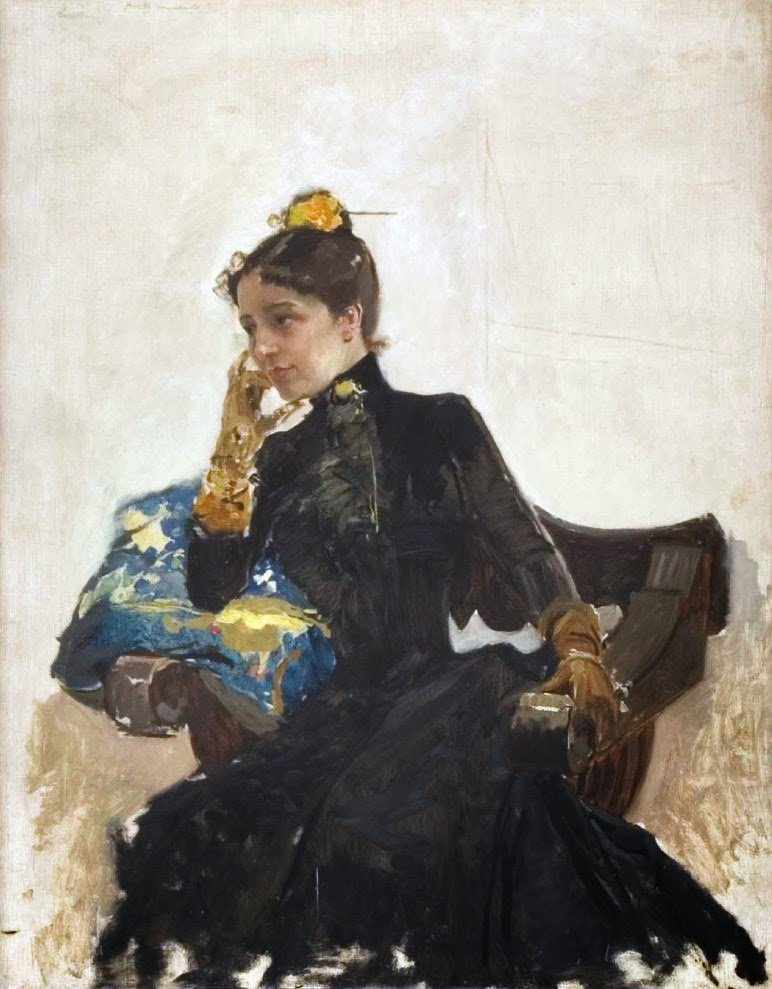
Clotilde García del Castillo
Joaquín Sorolla, 1890
Creative process
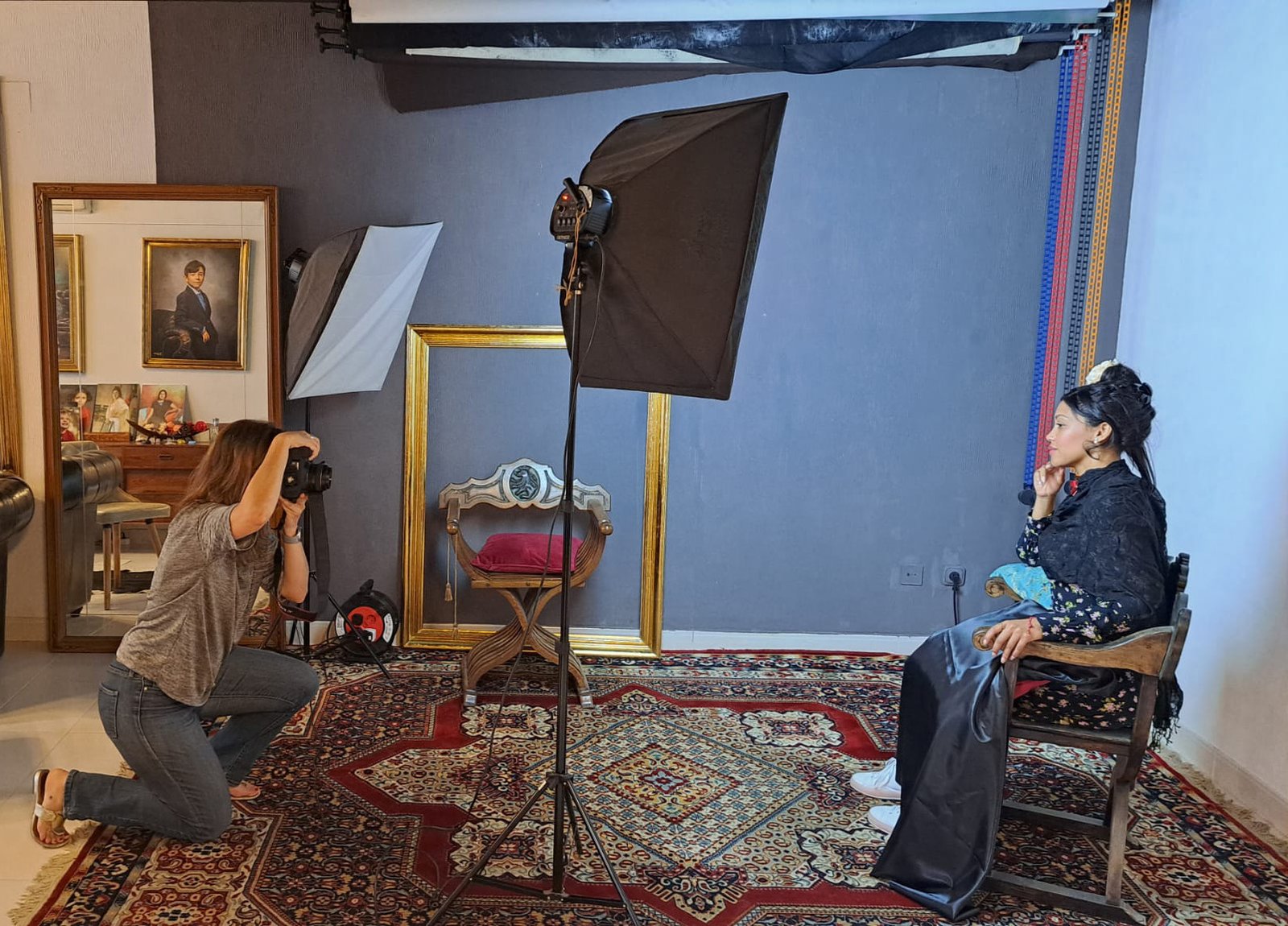
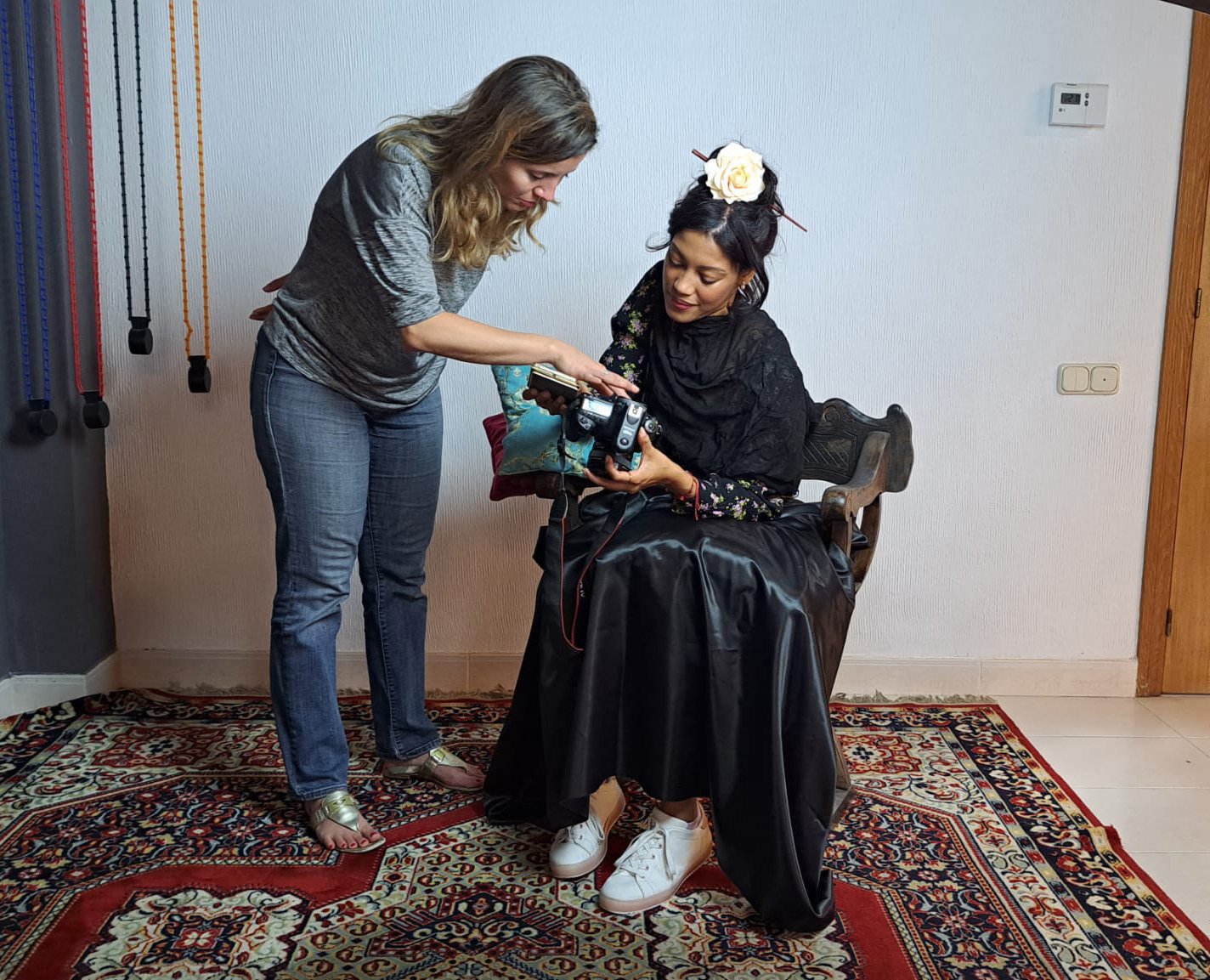
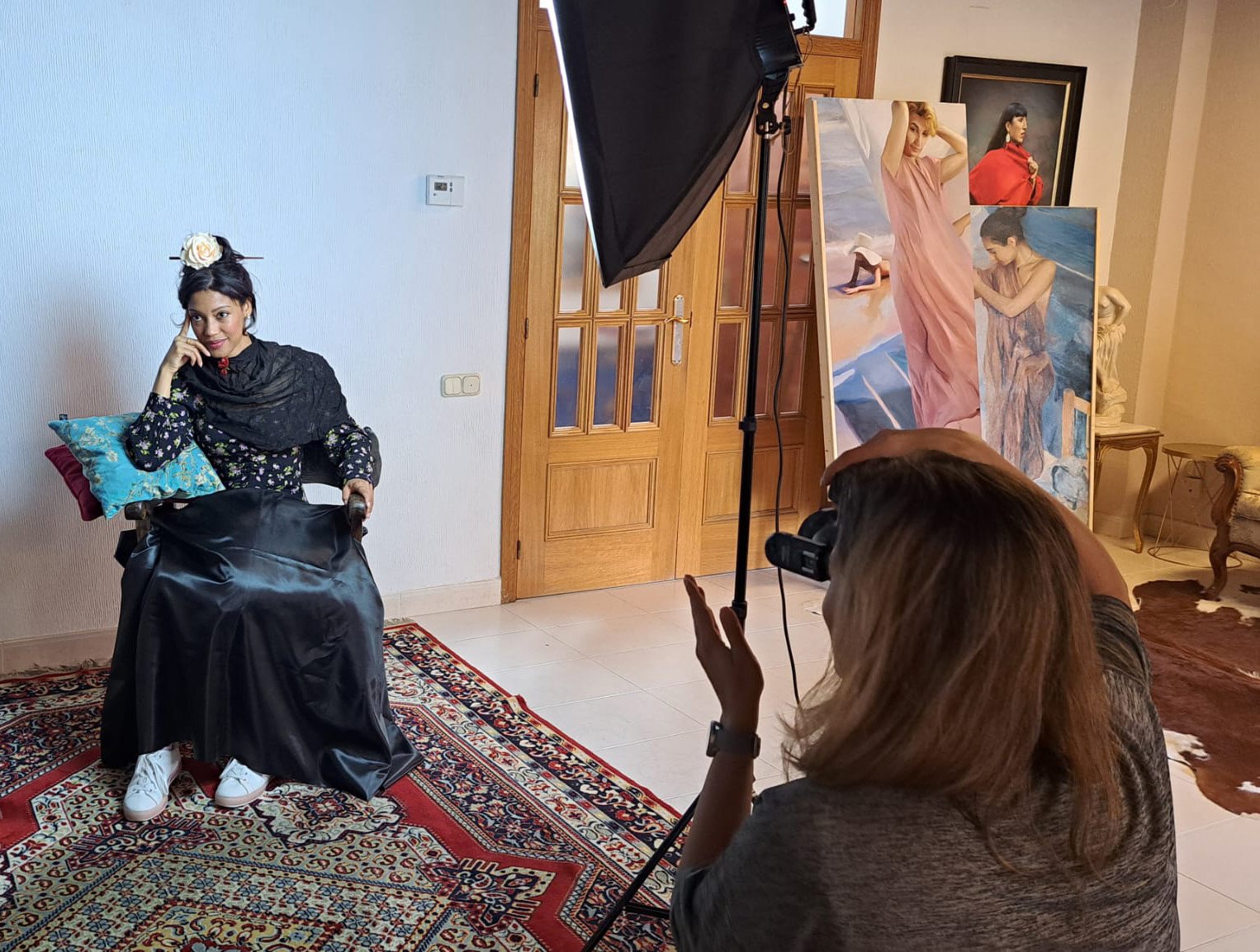
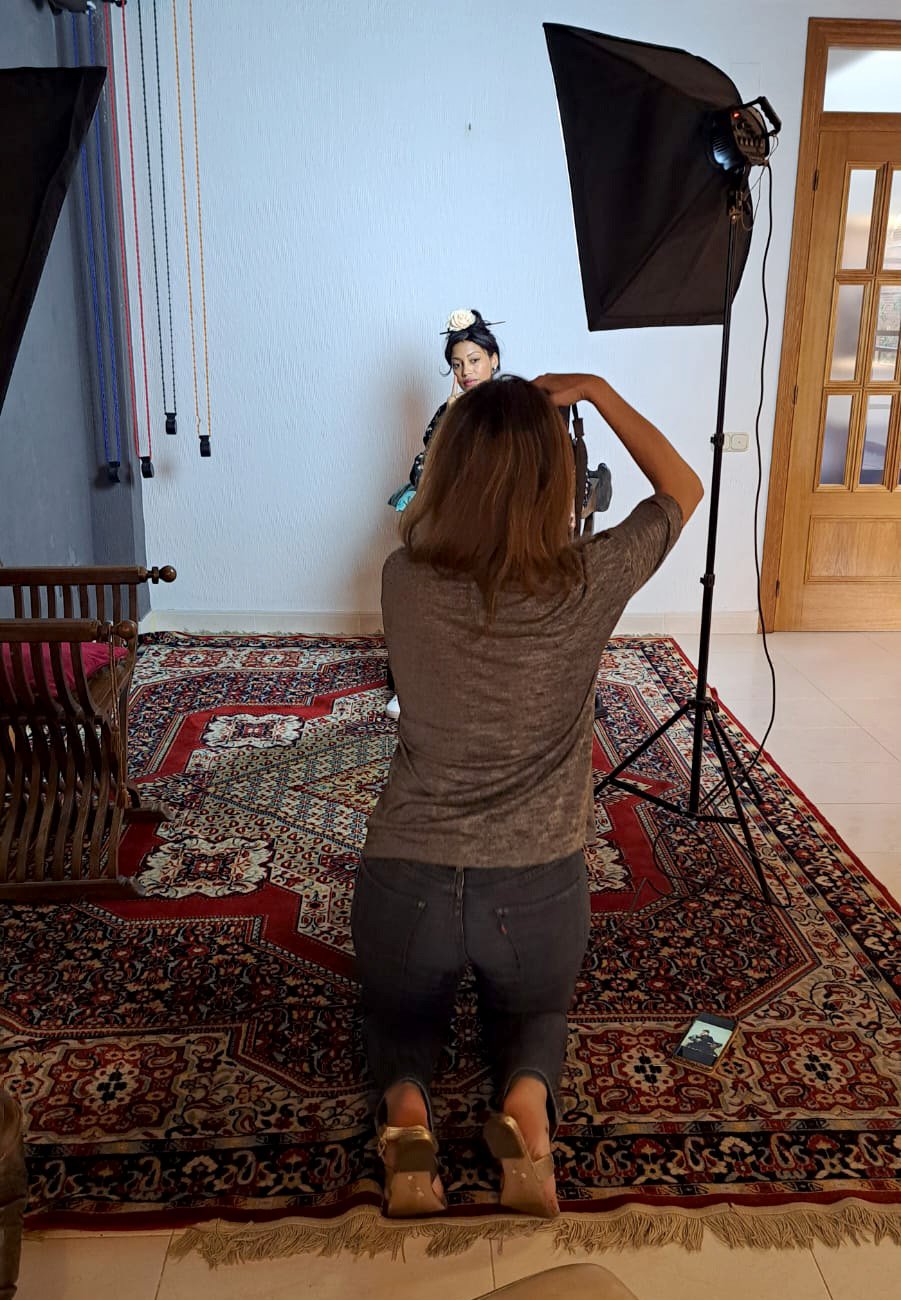
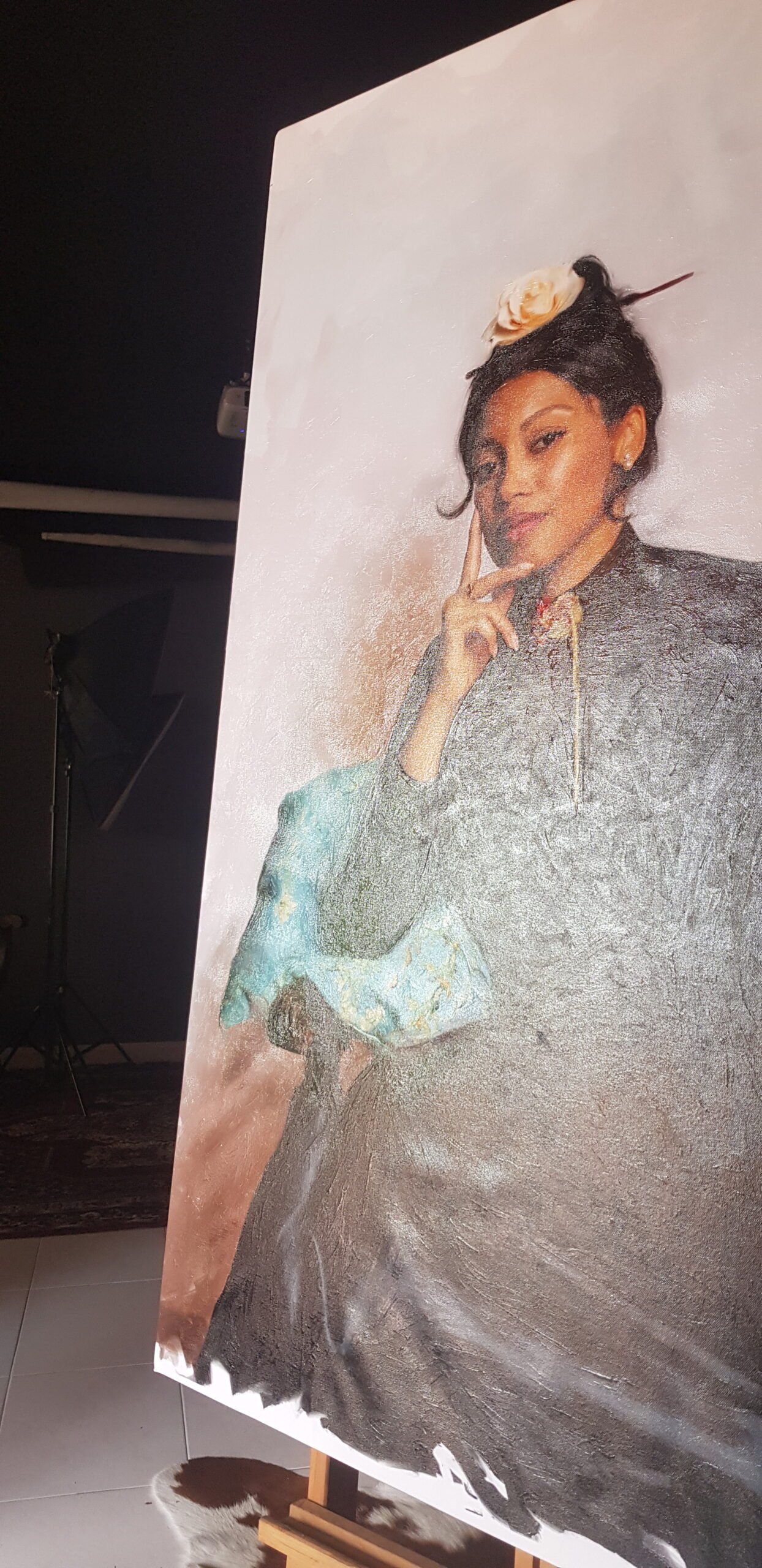
Dignity in the artist's studio
Exhibition history
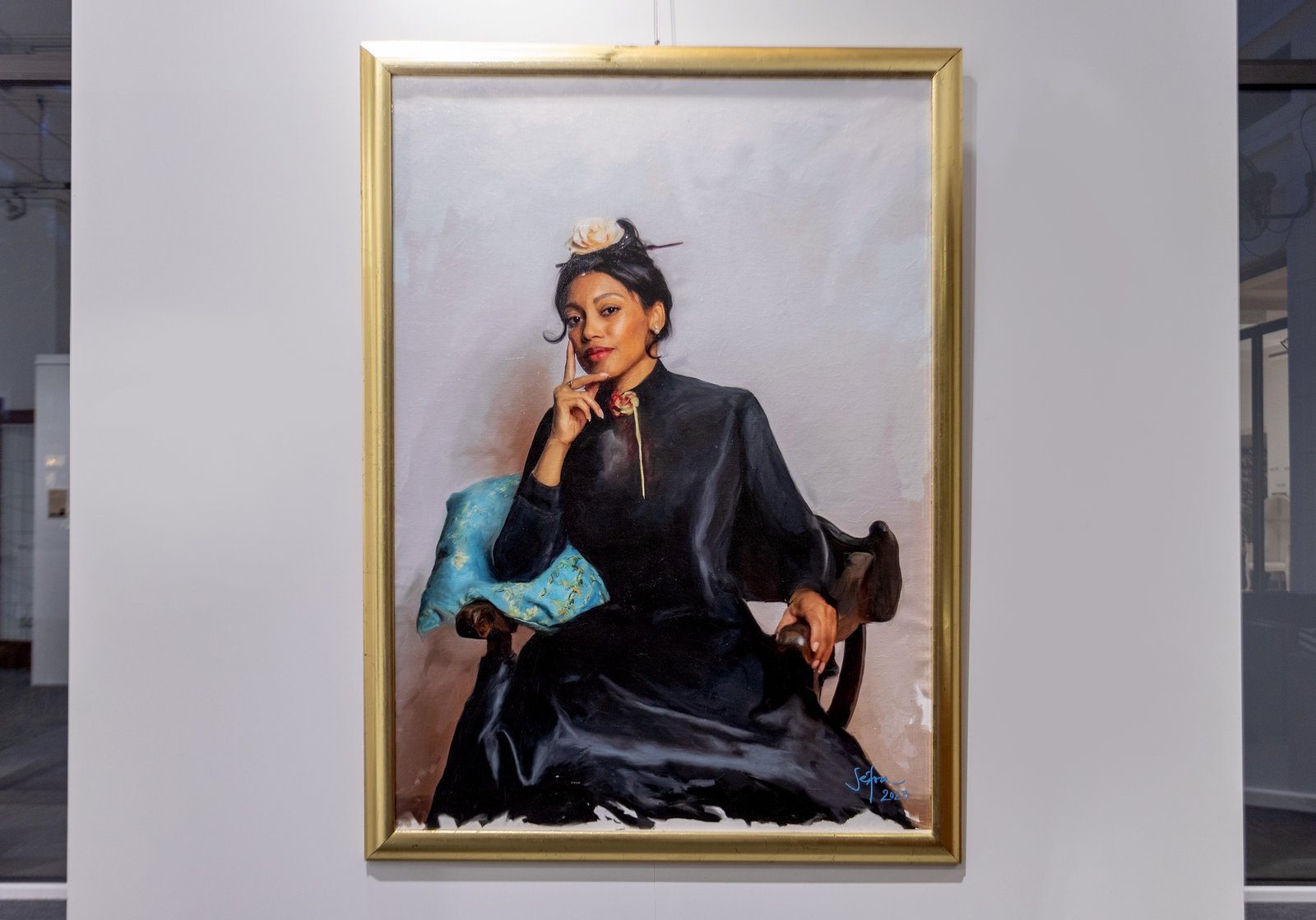
The Westin Valencia
Valencia, Spain · 2023
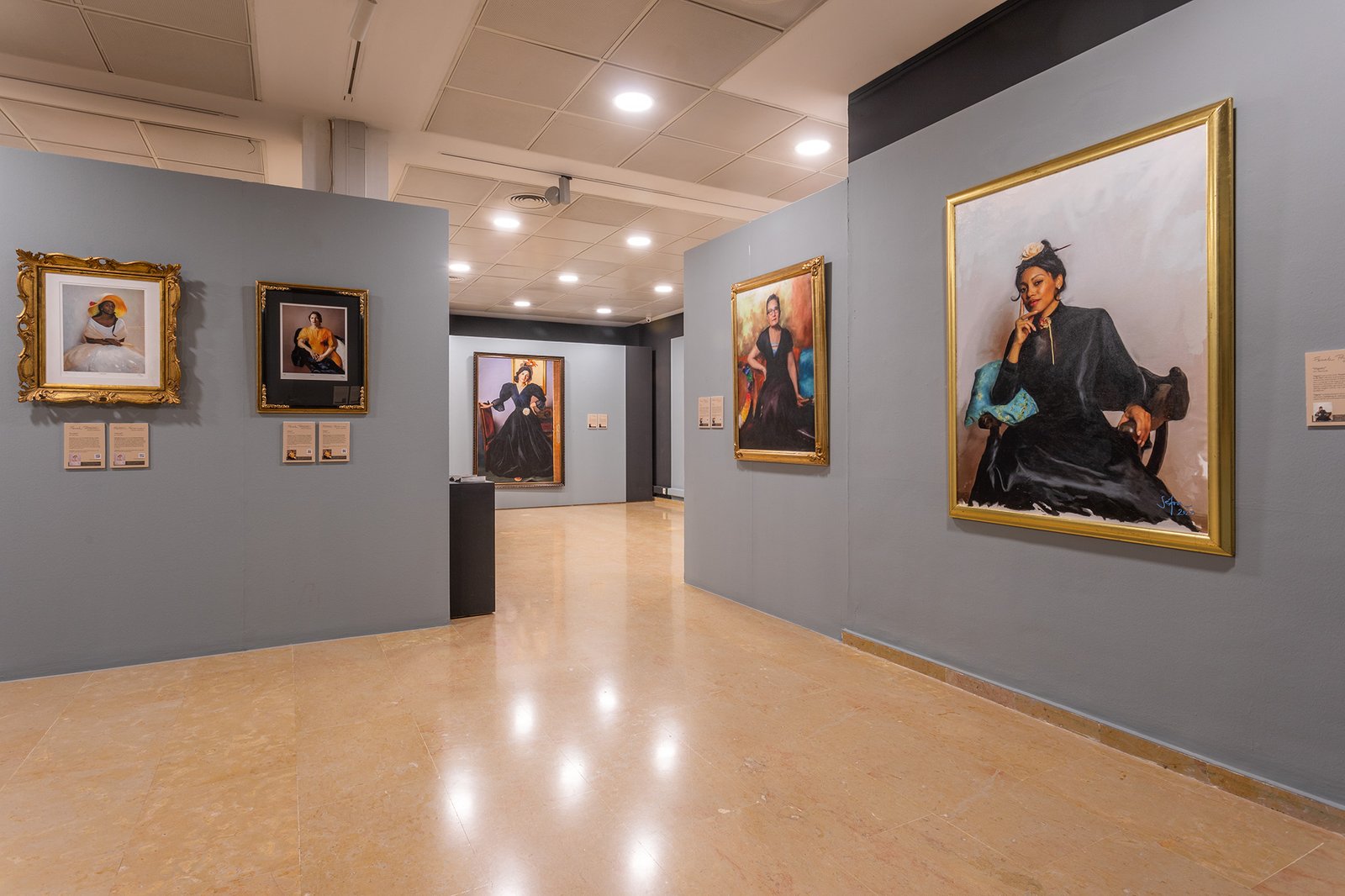
Botanical Garden of the University of Valencia
Valencia, Spain · 2024
Former Town Hall of Bétera
Bétera, Spain · 2024
Galerie Portraits
Interested in this artwork?
I personally respond within 48 hours
Enquire about the original artworkThe original artwork includes